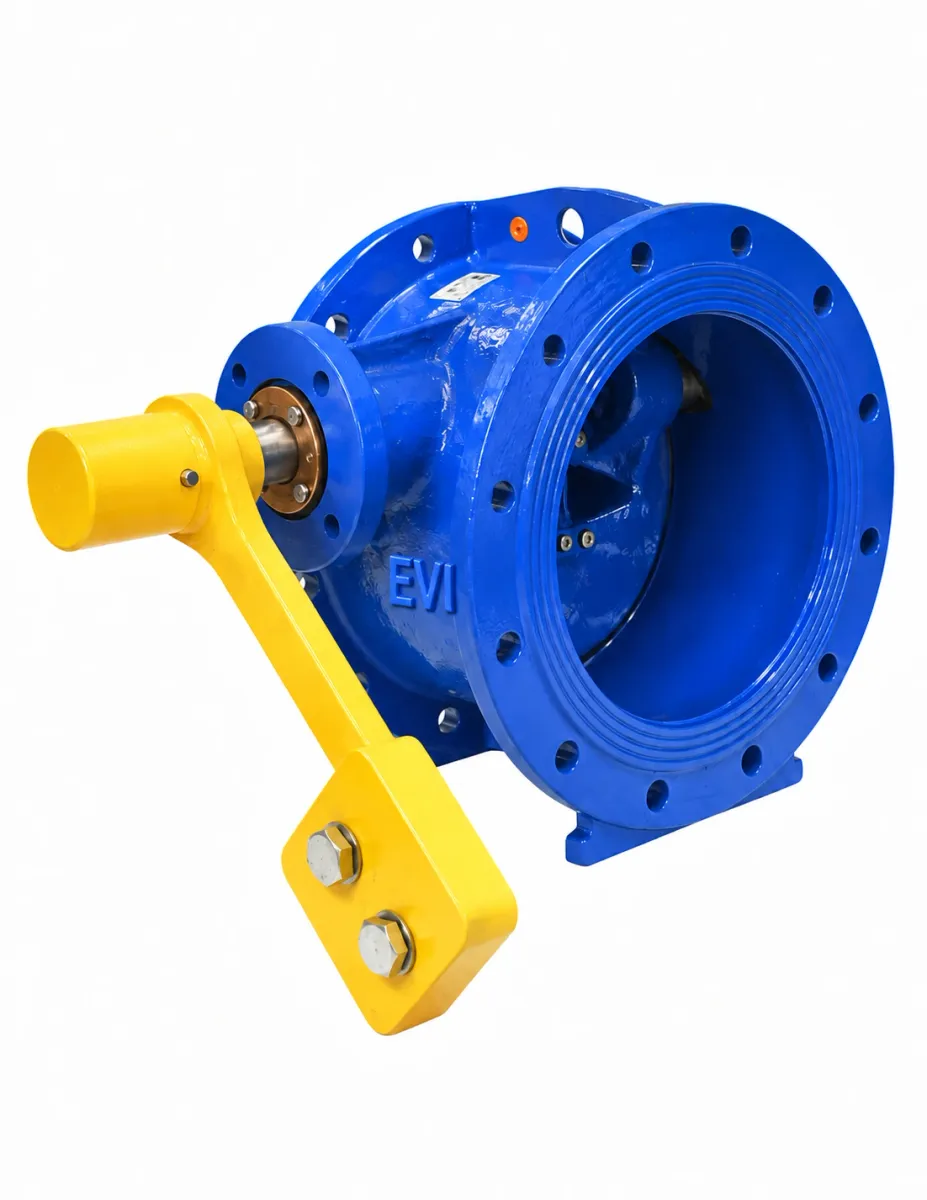
Cryogenic Check Valve
Cryogenic check valve for automatic backflow prevention in LNG and low-temperature fluid systems.

Cryogenic Check Valve Manufacturer in Italy
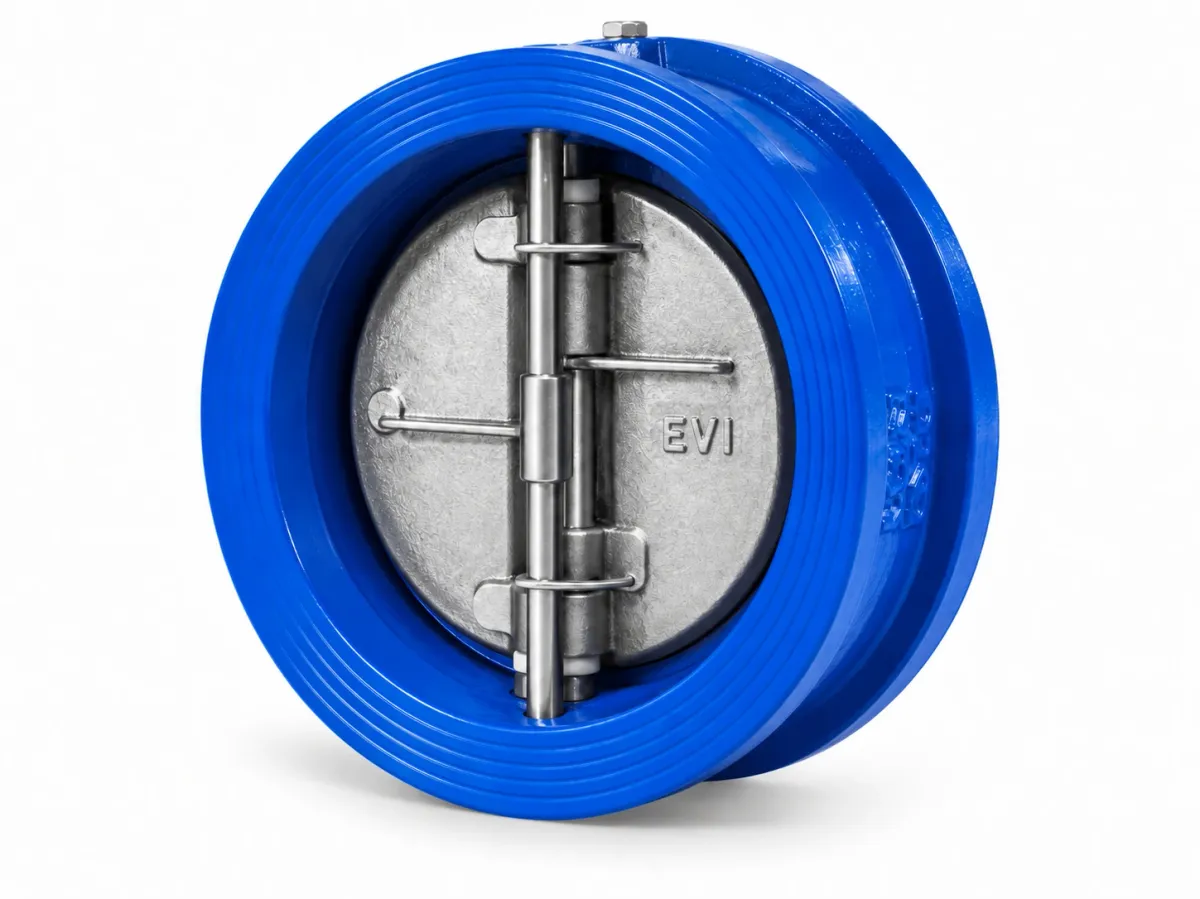
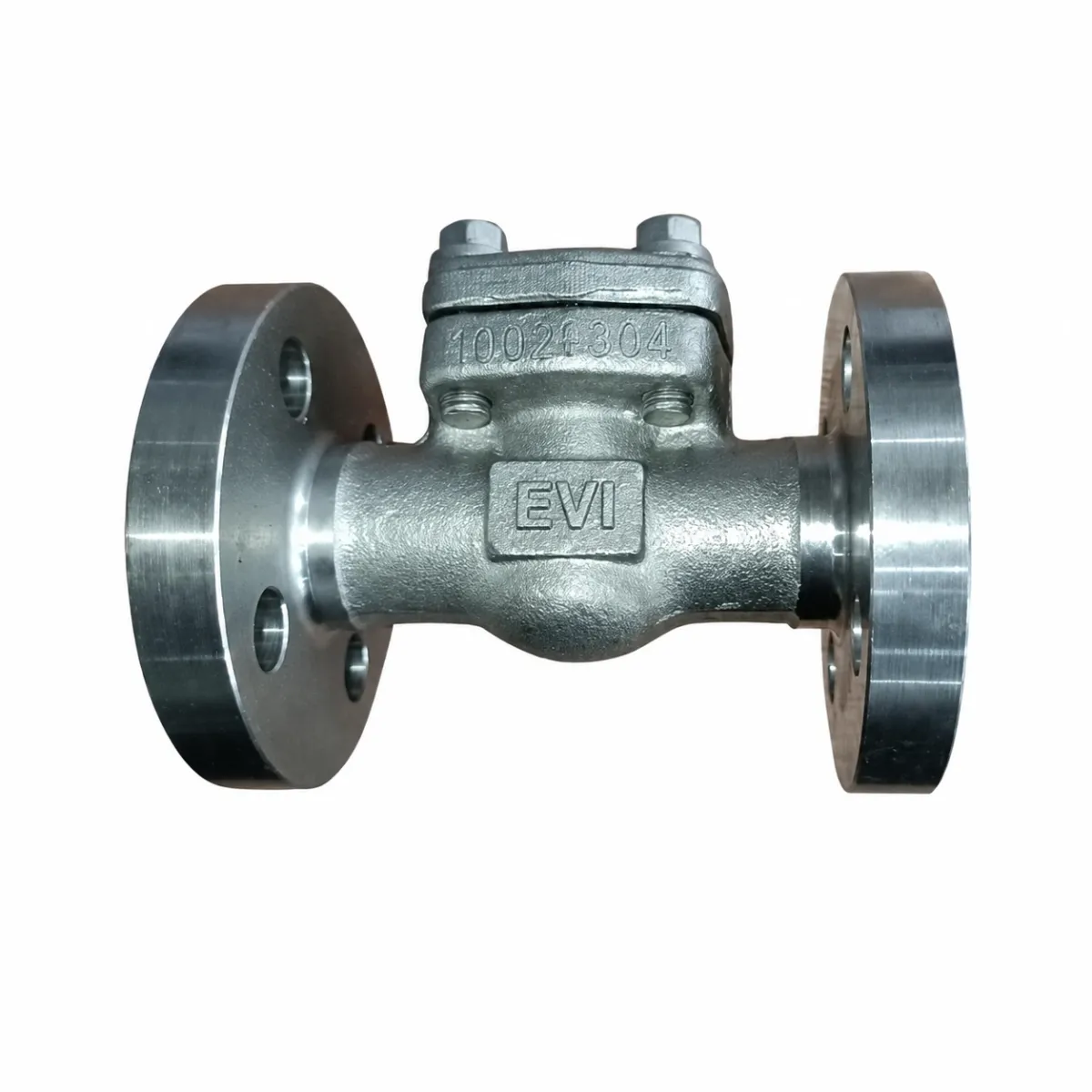
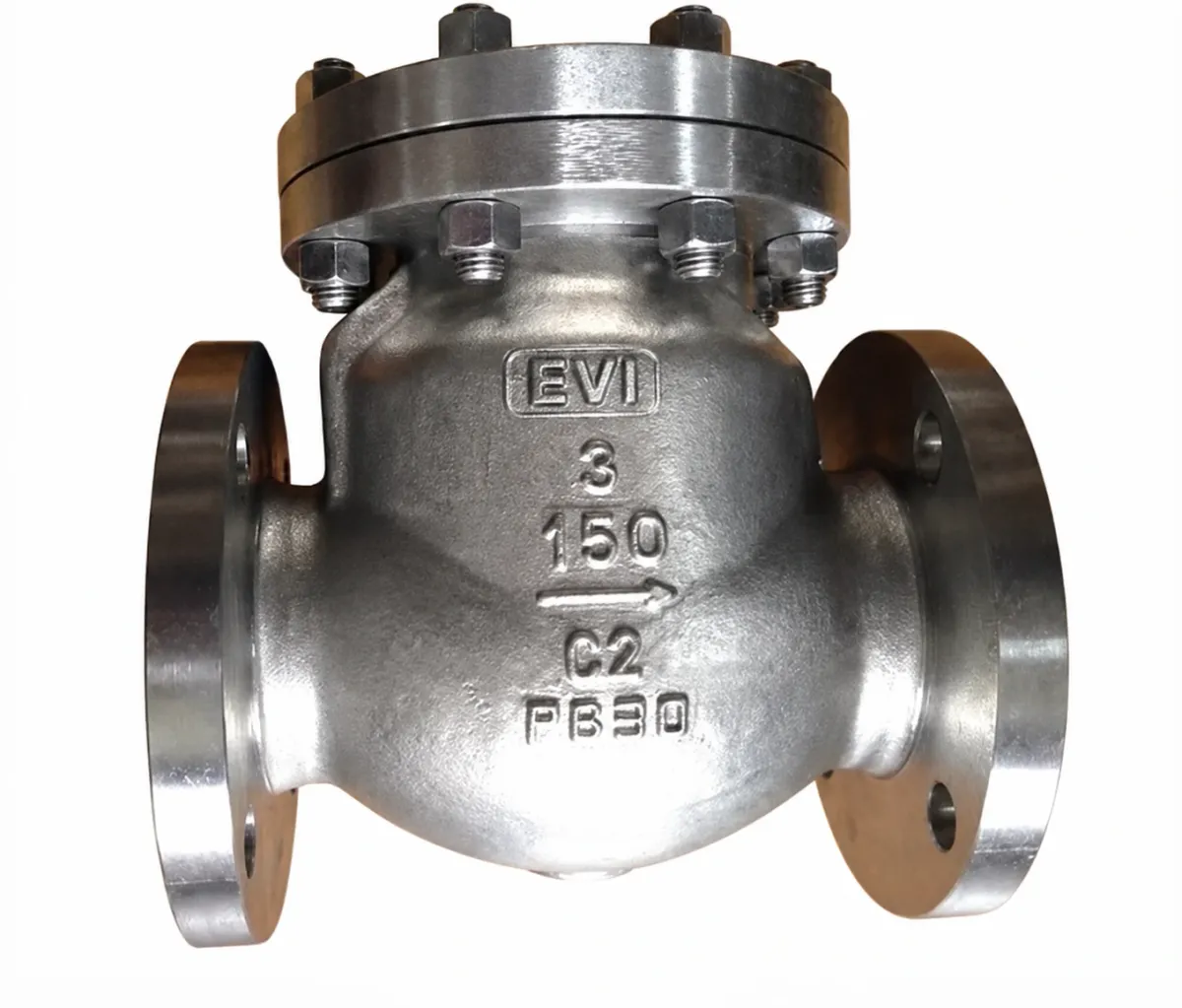
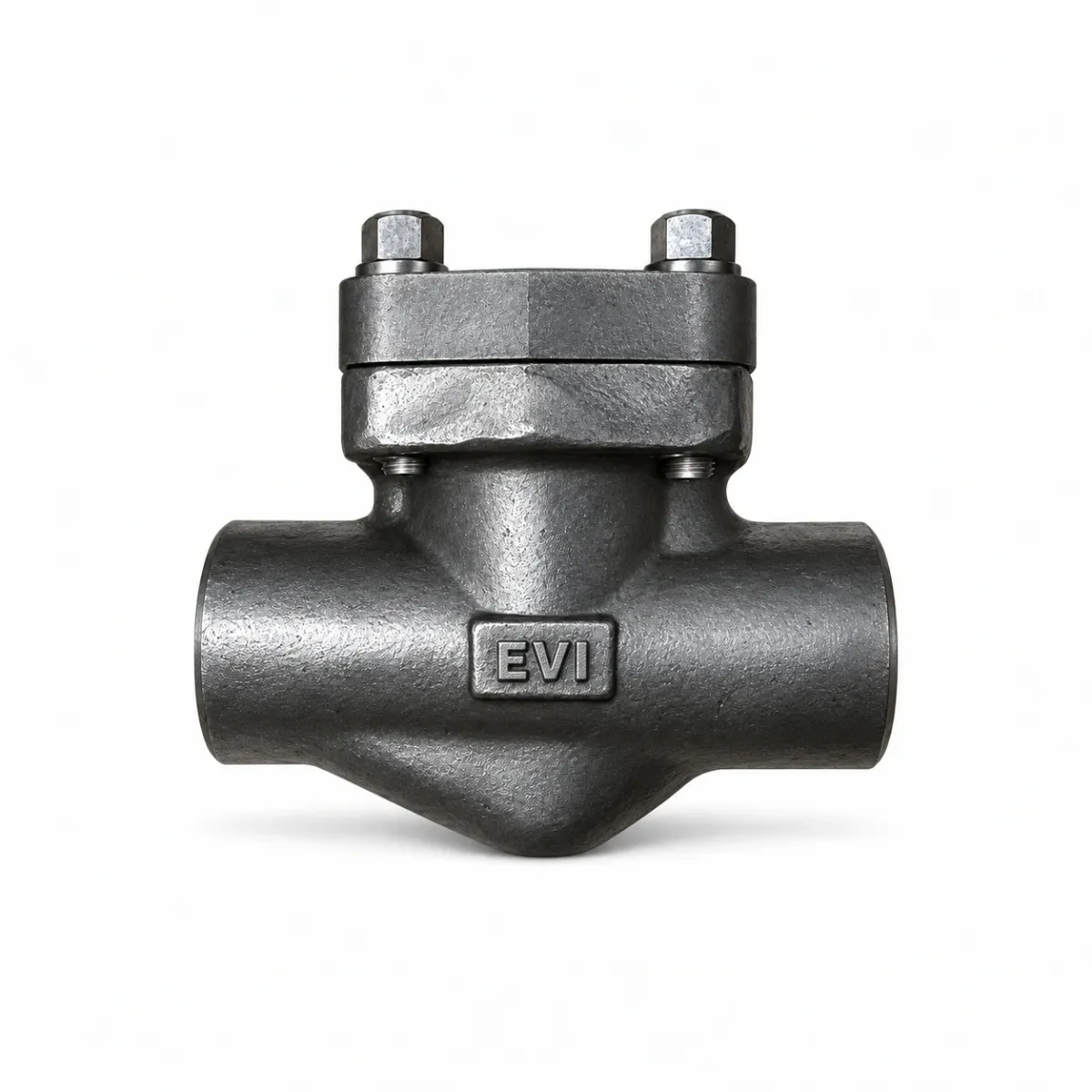
Cryogenic Check Valves prevent reverse flow in piping systems transporting LNG, liquefied gases and other fluids at extremely low temperatures. They operate automatically through changes in flow pressure, opening to permit forward movement and closing when the flow decreases or reverses. As a Cryogenic Check Valve Manufacturer in Italy, Euro Valve Italia provides configurations designed to accommodate low-temperature material behavior, thermal contraction and the sealing requirements of cryogenic service. Cryogenic Check Valves incorporate pressure-containing components manufactured from materials that maintain suitable mechanical strength and toughness at the specified operating temperature. Austenitic stainless steel castings such as CF8M and CF3M are commonly used for severe cryogenic conditions. Internal components, including the disc, hinge assembly or guide mechanism, must maintain appropriate operating clearances as temperatures decrease. The body and cover construction must also accommodate differential thermal contraction without affecting pressure containment or internal movement. The valve opens when forward flow creates sufficient differential pressure to move the disc away from its seat. When the flow decreases or reverses, the disc returns toward the seating surface to restrict backflow. Swing check configurations use a hinged disc, while lift and spring-assisted designs employ guided movement. The appropriate mechanism depends on flow characteristics, pressure loss and installation orientation. Reliable closure is particularly important in cryogenic transfer systems, where reverse flow can affect pumps, compressors and connected process equipment. Low-temperature operation can change component dimensions and seating contact conditions. Cryogenic Check Valves therefore require suitable disc-to-seat alignment, compatible sealing materials and clearances that account for thermal contraction. Metallic seating surfaces may incorporate hard-facing to reduce wear and galling, depending on the valve design. Cryogenic testing can be specified to assess seat leakage and operating performance at the required minimum temperature, helping establish suitability for LNG and other liquefied gas applications.Cryogenic Body and Internal Construction
Automatic Non-Return Operation
Cryogenic Seat Sealing and Thermal Performance
Frequently Asked Questions
Find quick answers to common questions about this product.
A Cryogenic Check Valve is constructed using materials and internal clearances suitable for low-temperature operation. Its sealing components and pressure-containing parts must accommodate thermal contraction and retain the required mechanical properties at the specified minimum temperature.