Double Block & Bleed Plug Valve
Quarter-turn DBB plug valve with dual sealing barriers, intermediate bleed port and gear operation options.

Double Block & Bleed Plug Valve Manufacturer in Italy
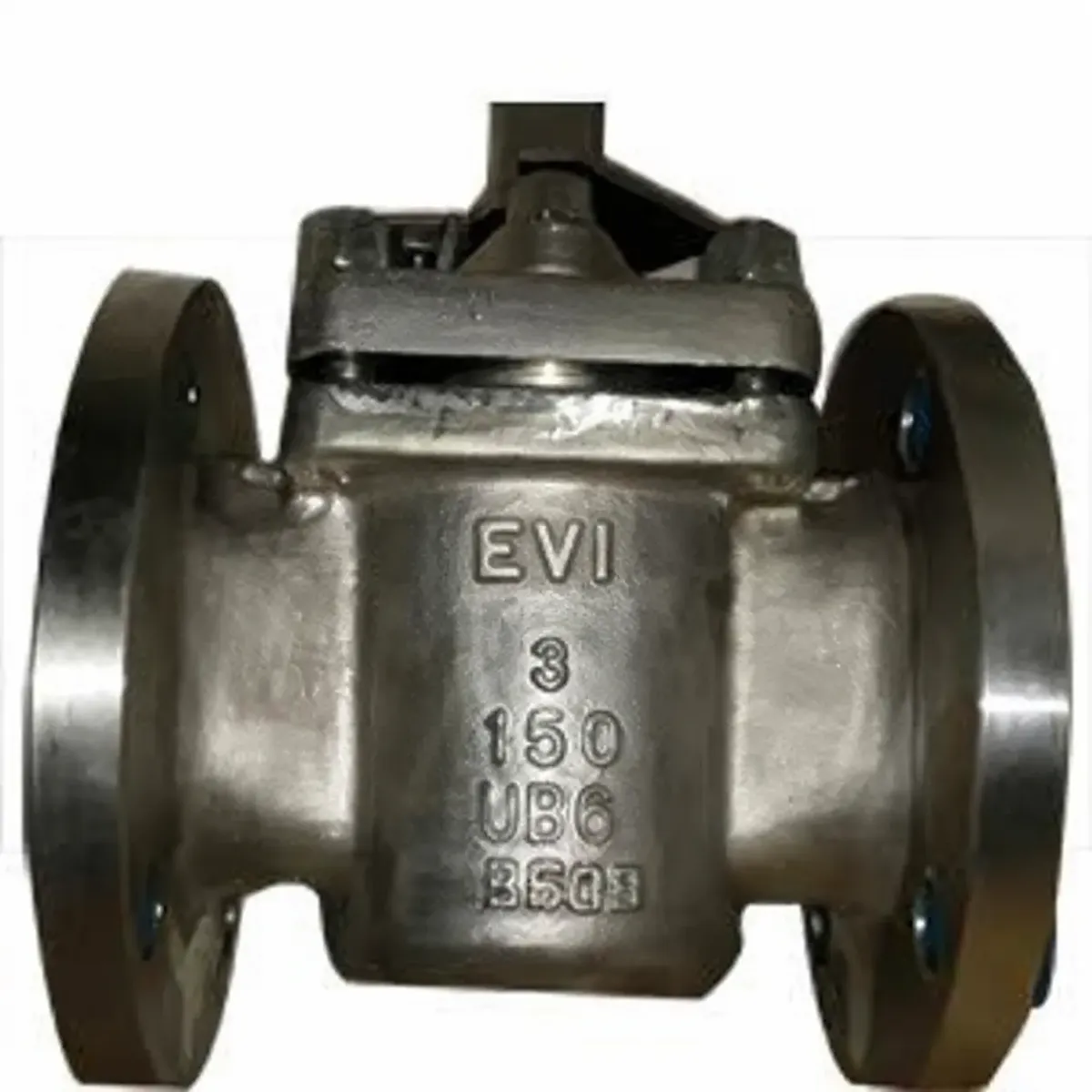
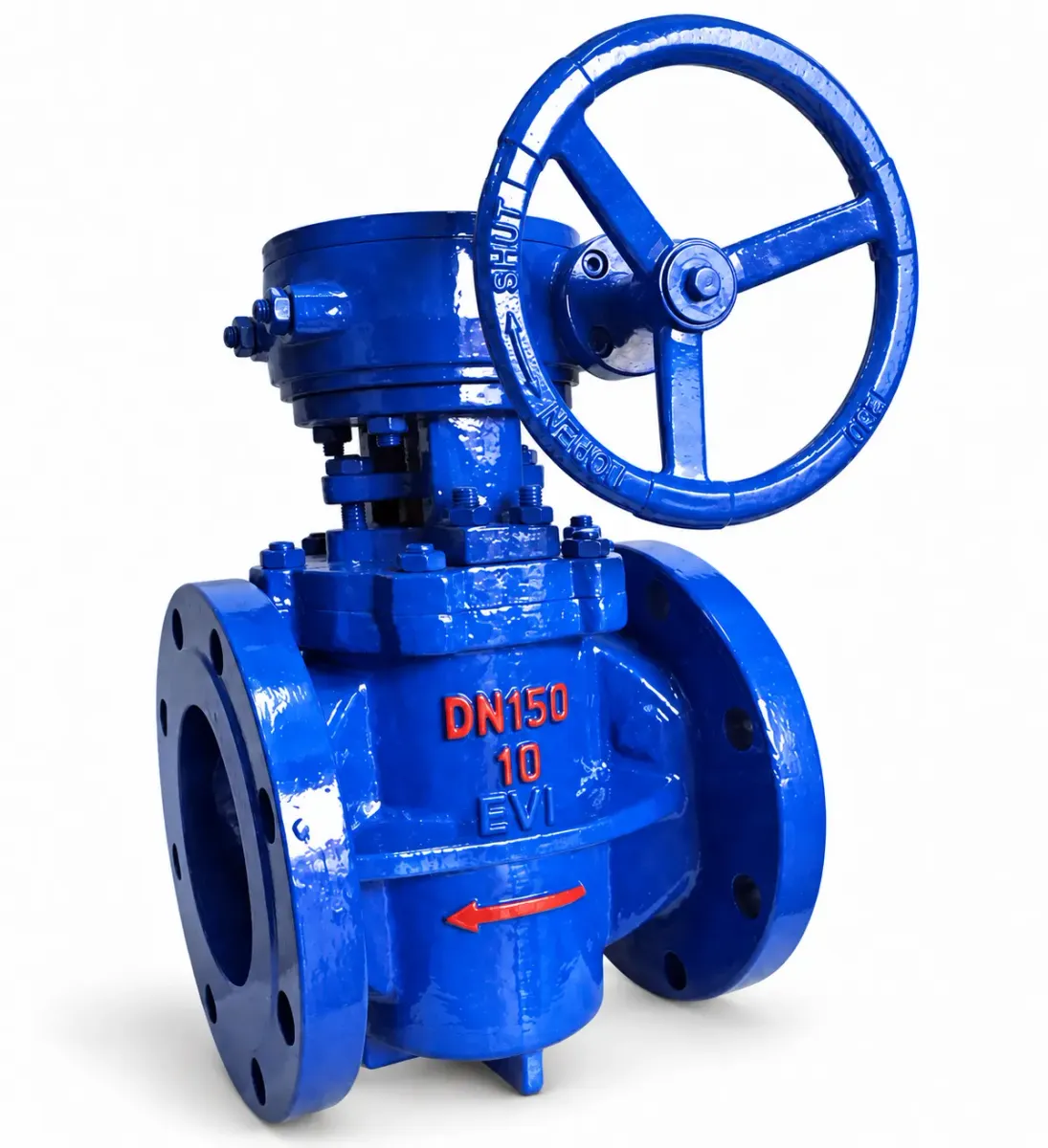
Double Block & Bleed Plug Valves combine two sealing barriers and an intermediate bleed arrangement within a compact valve body. The plug mechanism controls the main flow passage, while the bleed connection provides access to the cavity between the sealing interfaces for pressure release, drainage or leakage verification. As a Double Block & Bleed Plug Valve Manufacturer in Italy, Euro Valve Italia provides configurations intended for industrial isolation duties where valve sealing performance, pressure containment and controlled cavity depressurisation are important. Selection depends on the required sealing direction, differential pressure, process fluid and applicable isolation standards. The plug rotates through approximately 90 degrees to open or close the main flow passage. In an expanding plug configuration, mechanical expansion of the sealing elements can provide contact pressure against the seats in the closed position. Other plug constructions may use different sealing mechanisms. The selected arrangement determines the operating torque, seat loading and pressure isolation capability. The bleed connection communicates with the space between the two sealing barriers. When the main valve is closed, the intermediate cavity can be depressurised or monitored through a controlled bleed arrangement. This allows operators to check for pressure accumulation between the seals and evaluate leakage under defined test conditions. The bleed connection must be suitable for the fluid, pressure and discharge requirements. DBB plug valves are selected according to their documented sealing capability rather than the presence of two seats alone. Seat orientation, pressure direction and the applicable qualification standard determine whether the required isolation arrangement is achieved. Manual lever operation may be suitable for smaller configurations, while gearbox or powered actuation can be specified where operating torque or remote-control requirements justify it. For applications involving hazardous fluids, isolation procedures must also account for cavity pressure, bleed discharge and the possibility of seal leakage.Plug Mechanism and Sealing Arrangement
Intermediate Bleed and Cavity Pressure Control
Isolation Performance and Actuation
Frequently Asked Questions
Find quick answers to common questions about this product.
Leakage verification is performed by closing the main valve and monitoring or opening the intermediate bleed connection under controlled test conditions. Pressure accumulation or continued discharge may indicate leakage across a sealing interface. The procedure must account for the valve's pressure direction, cavity arrangement and applicable test standard.