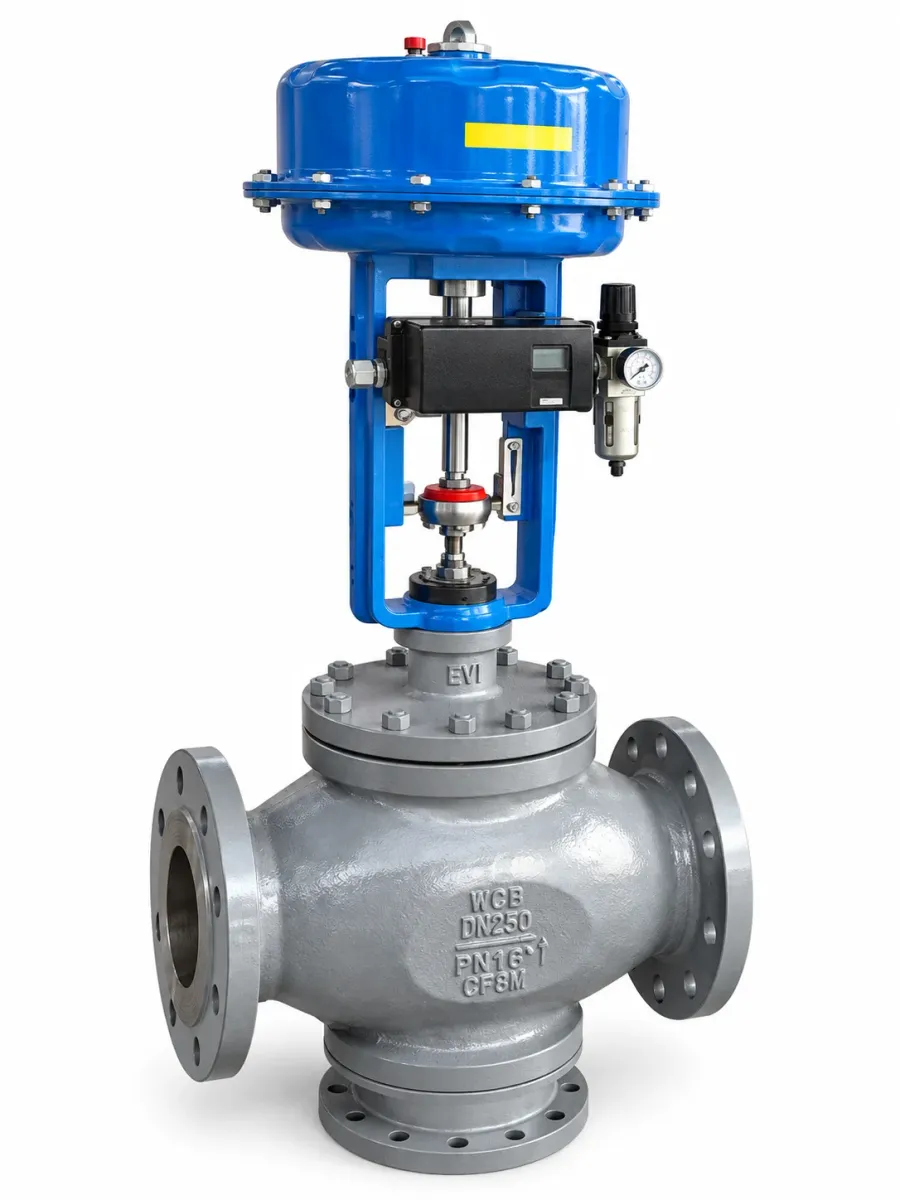
Globe Control Valve
Globe control valve for precise flow, pressure and temperature regulation in industrial process pipelines.

Globe Control Valve Manufacturer in Italy
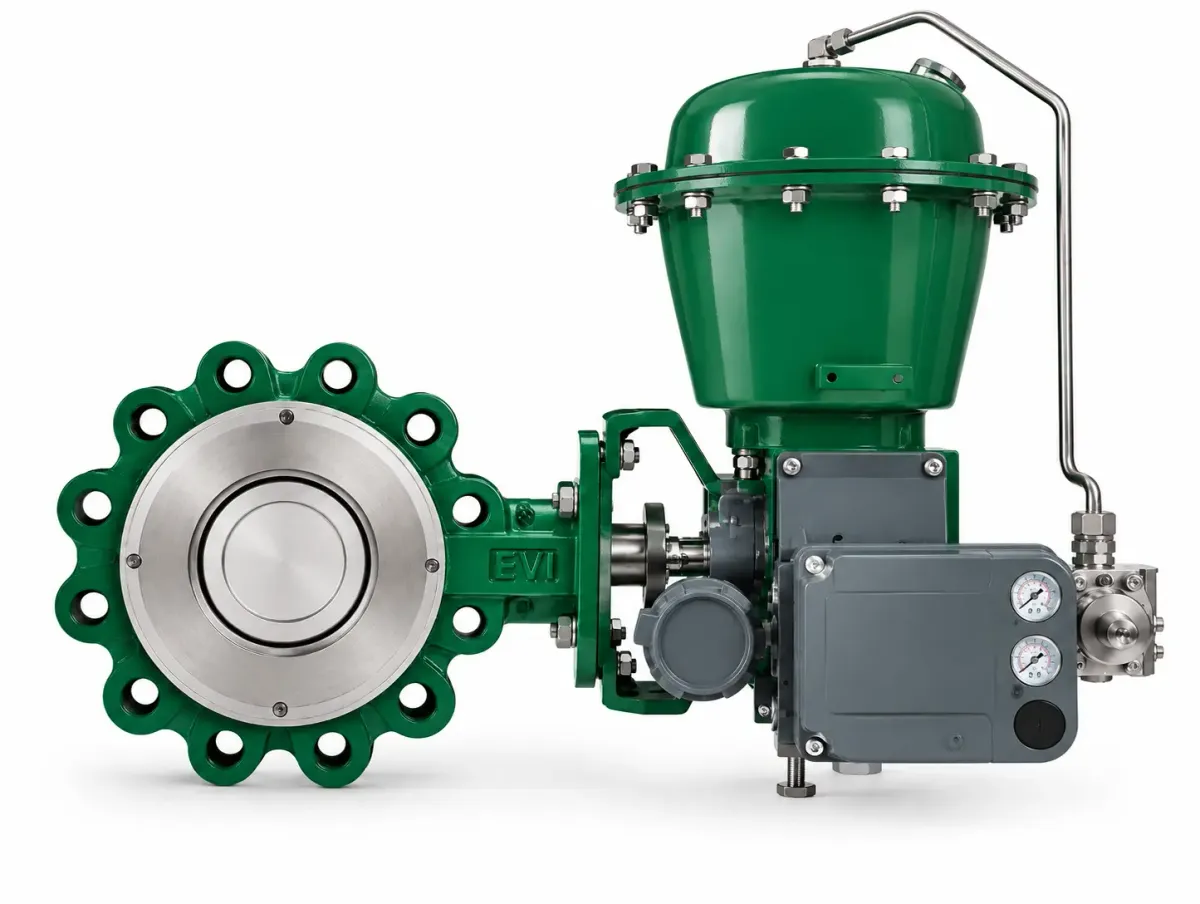
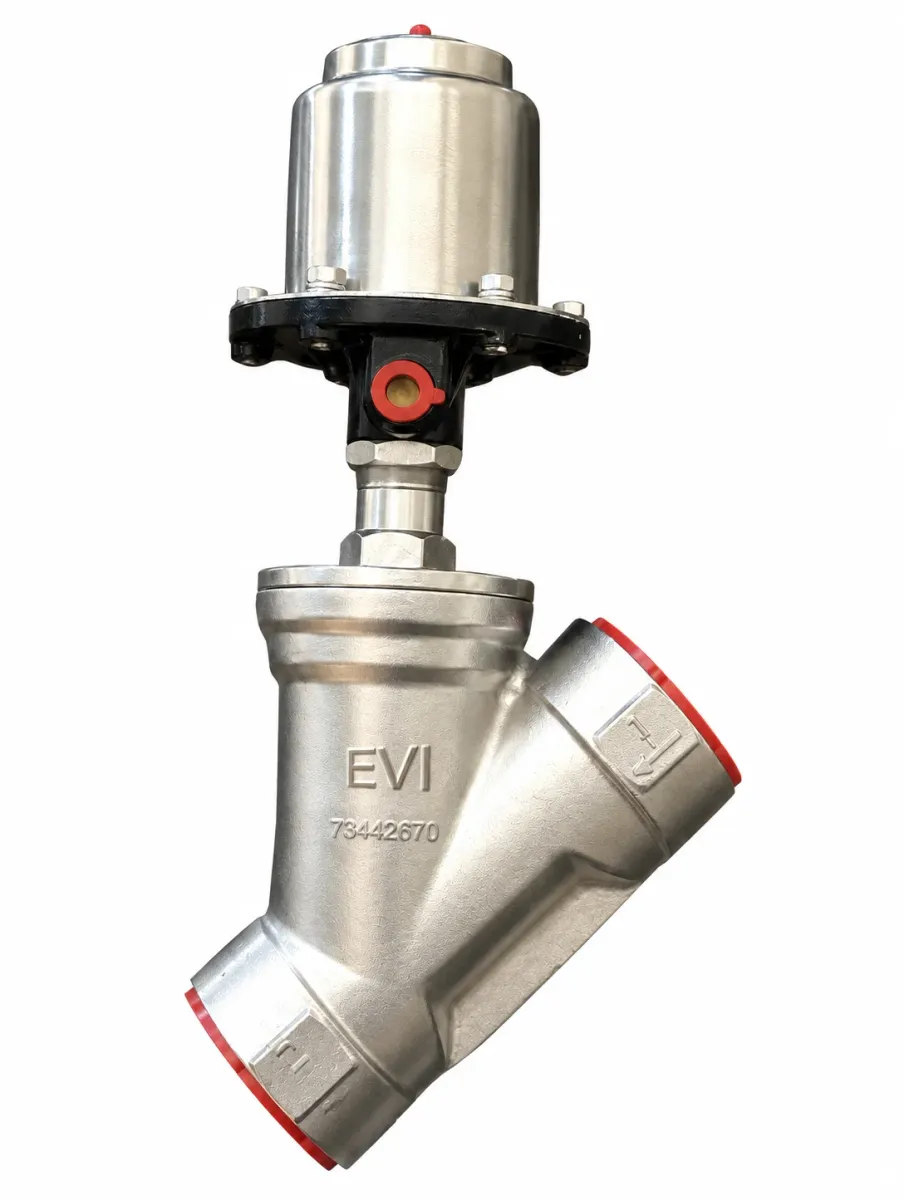
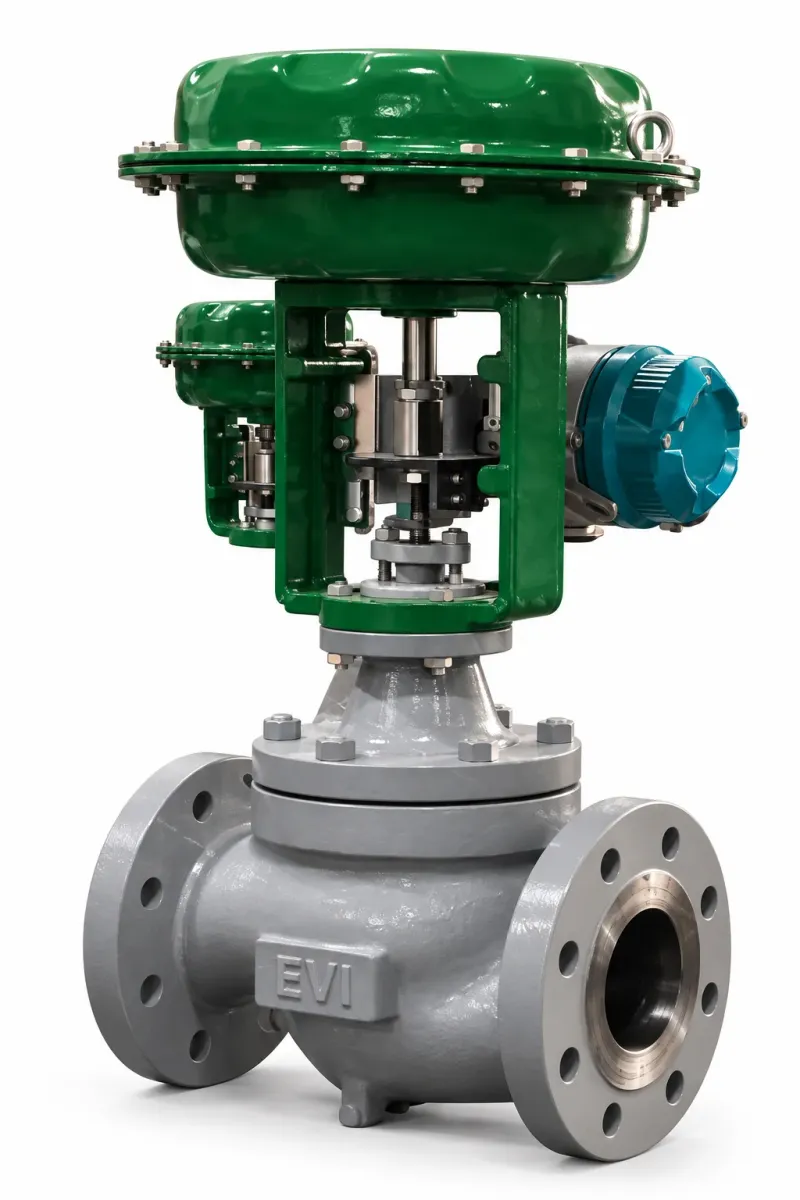
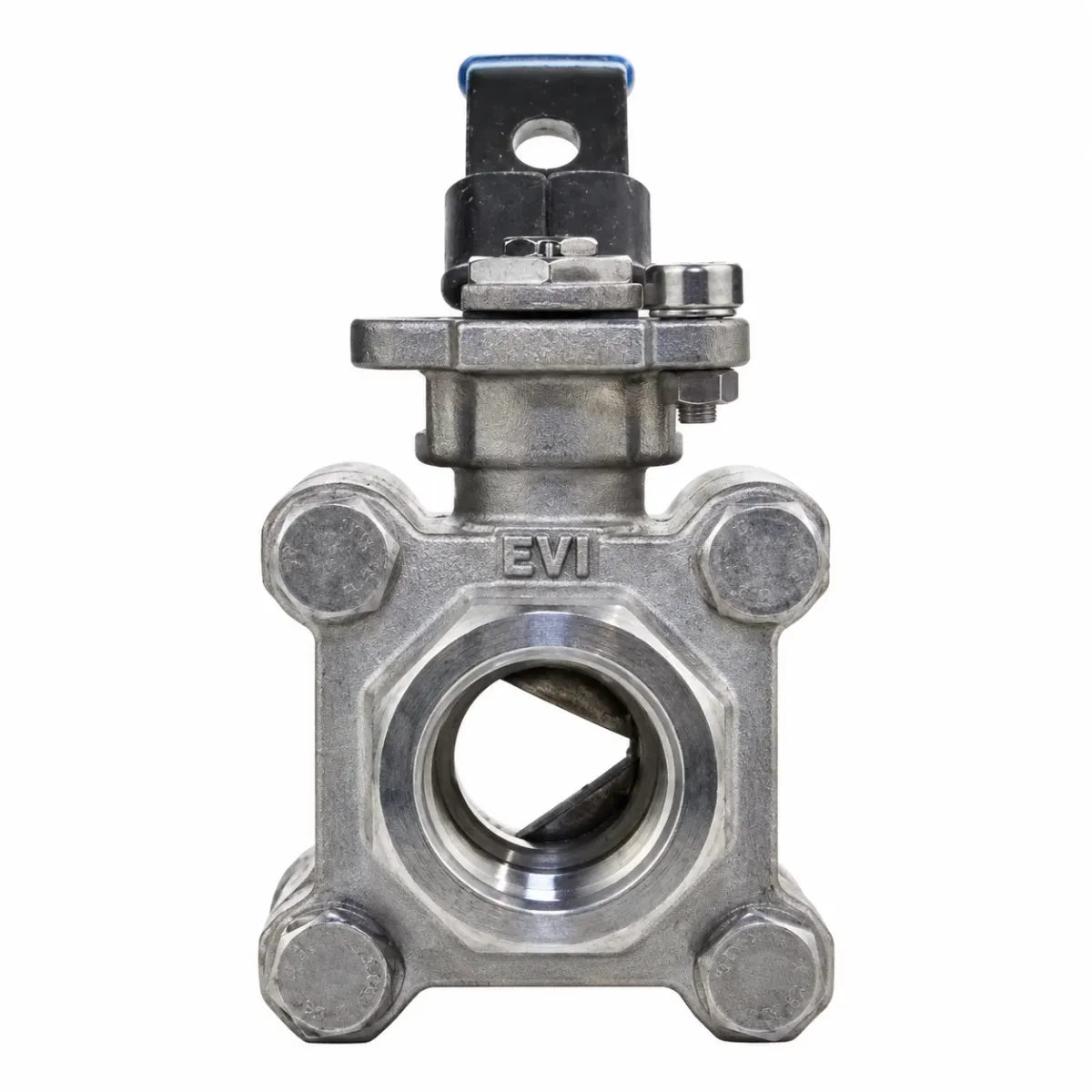
A Globe Control Valve is designed to regulate fluid flow, pressure and temperature in industrial process systems. It uses a linear motion plug that moves toward or away from a seat to adjust the flow passage. Unlike conventional on/off valves, globe control valves provide controlled throttling across a defined operating range, making them suitable for applications requiring accurate process regulation. Euro Valve Italia, a Globe Control Valve Manufacturer in Italy, offers control valve solutions for applications involving variable flow conditions, differential pressure and automated process control. Selection depends on the required flow coefficient, trim characteristics, actuator performance and operating conditions. A globe control valve regulates flow through the linear movement of a plug inside the valve body. As the plug moves away from the seat, the available flow area increases. Moving the plug toward the seat reduces flow and allows controlled throttling. Different trim characteristics, including linear, equal percentage and quick opening, may be specified according to the control requirements. Globe control valves are available in carbon steel, stainless steel and alloy steel constructions for different pressure, temperature and corrosion conditions. Common body materials include ASTM A216 WCB, ASTM A351 CF8M and ASTM A217 WC6 or WC9. Stainless steel 316L and duplex grades may be specified for specialised applications. Internal components include the plug, seat, stem, cage or guiding arrangement, depending on the valve design. Hardened trims and specialised seating materials may be selected for erosive service or high differential pressure conditions. Globe control valves are commonly operated using pneumatic diaphragm, pneumatic piston or electric actuators. Pneumatic actuators may incorporate positioners receiving 4–20 mA control signals, while electric actuators can support automated positioning through compatible control interfaces. Valve selection requires evaluation of the required Kv value, pressure drop, flow characteristics, shutoff leakage class and actuator thrust. For high differential pressure applications, balanced trim, cage-guided construction or anti-cavitation arrangements may be required to maintain stable control and reduce internal component damage.Working Principle and Flow Regulation
Valve Construction and Material Options
Actuation and Control Performance
Frequently Asked Questions
Find quick answers to common questions about this product.
A globe control valve regulates fluid flow through the linear movement of a plug relative to a seat. As the plug moves away from the seat, the flow passage increases. Moving it toward the seat reduces the available flow area, allowing controlled regulation of flow, pressure or temperature.