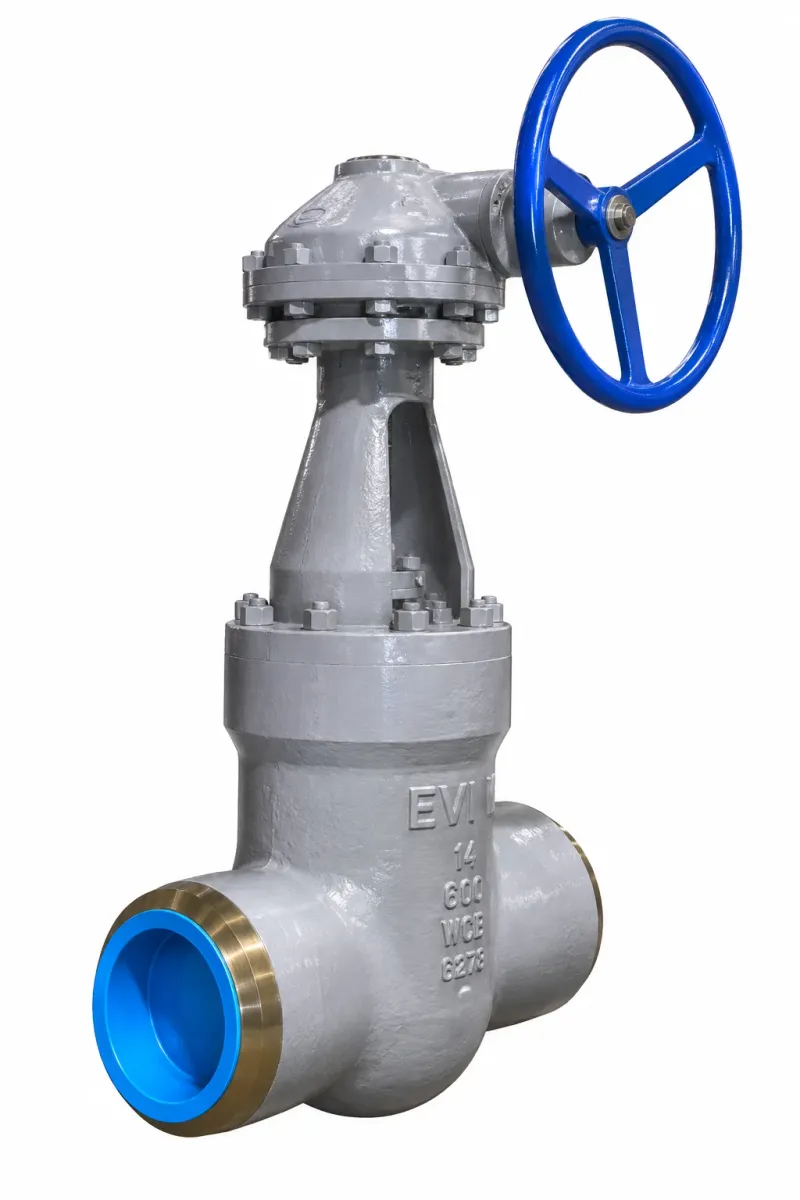
Cryogenic Gate Valve
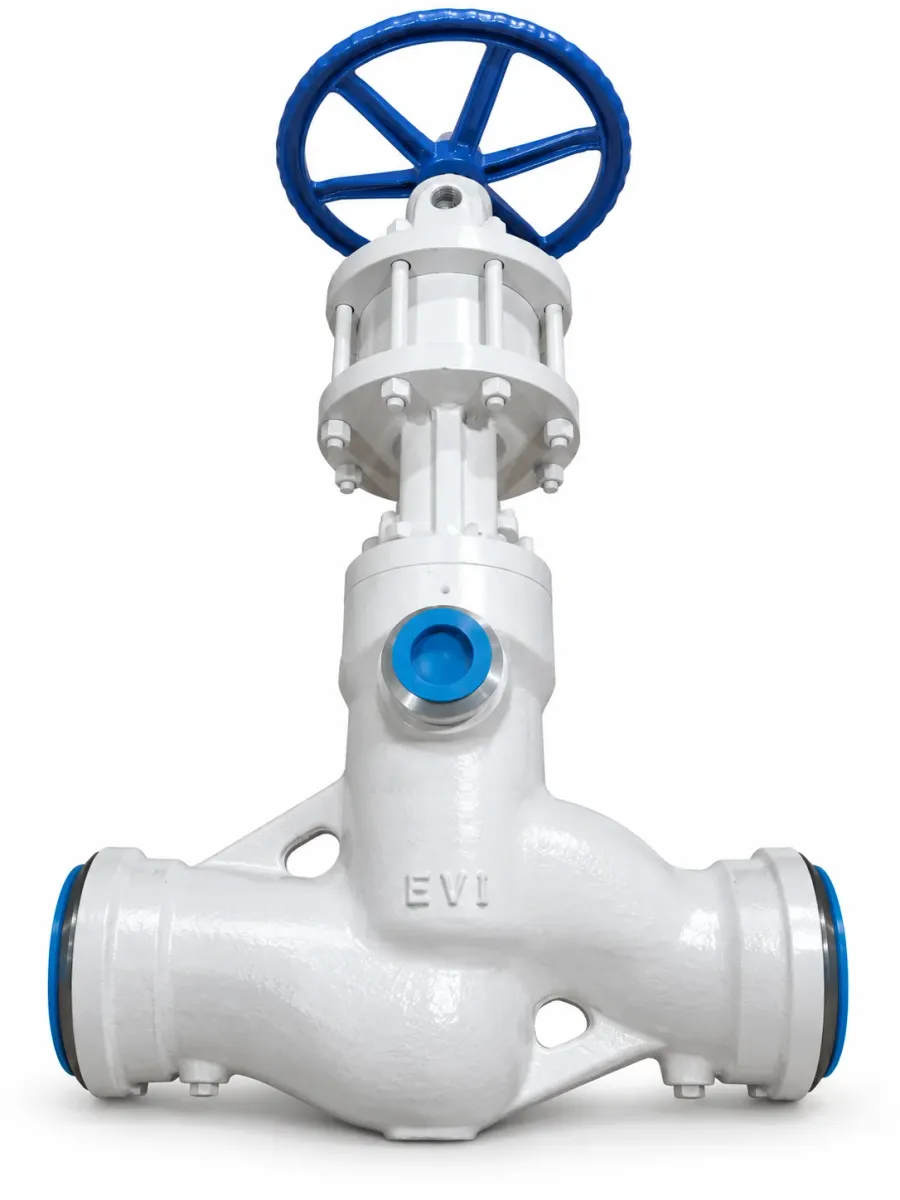
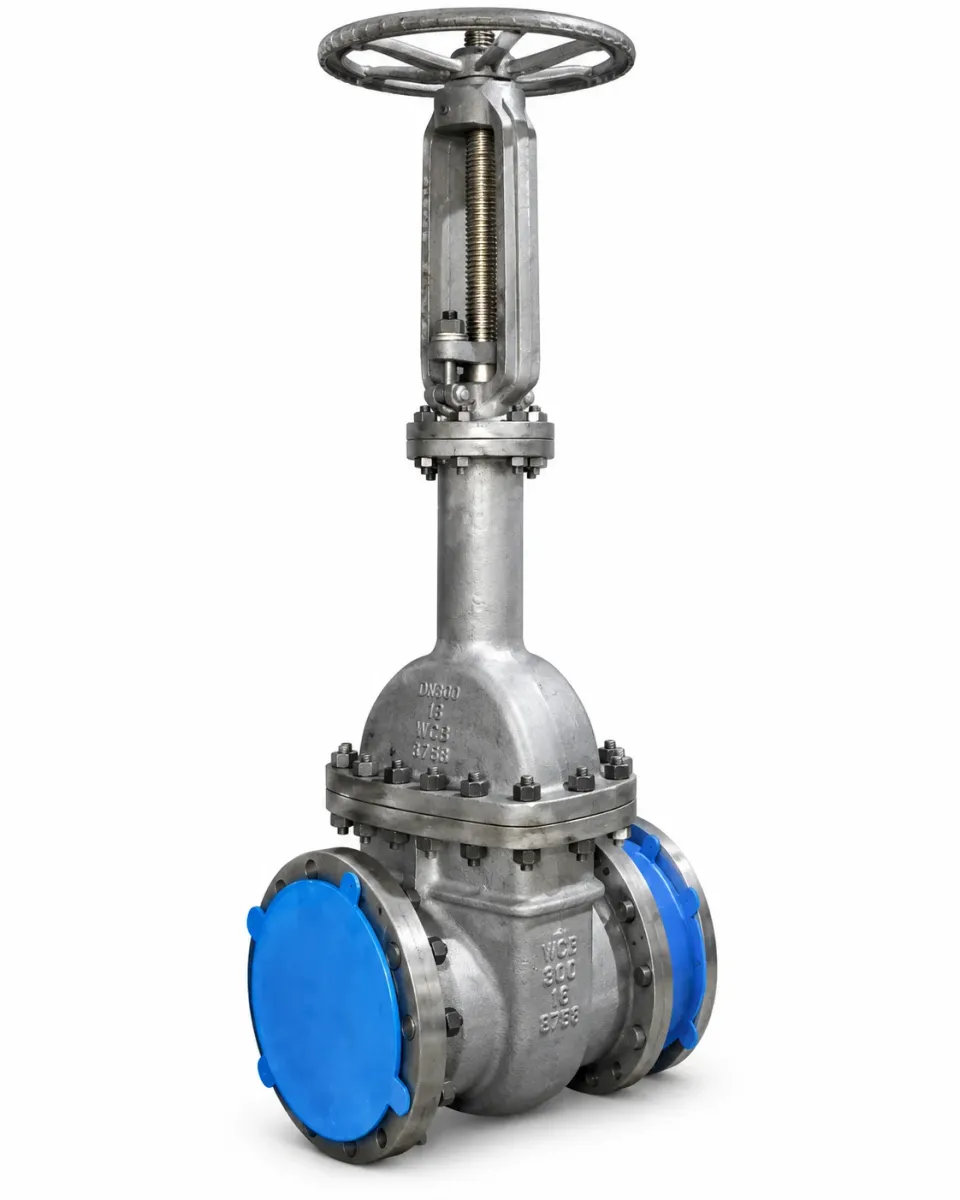
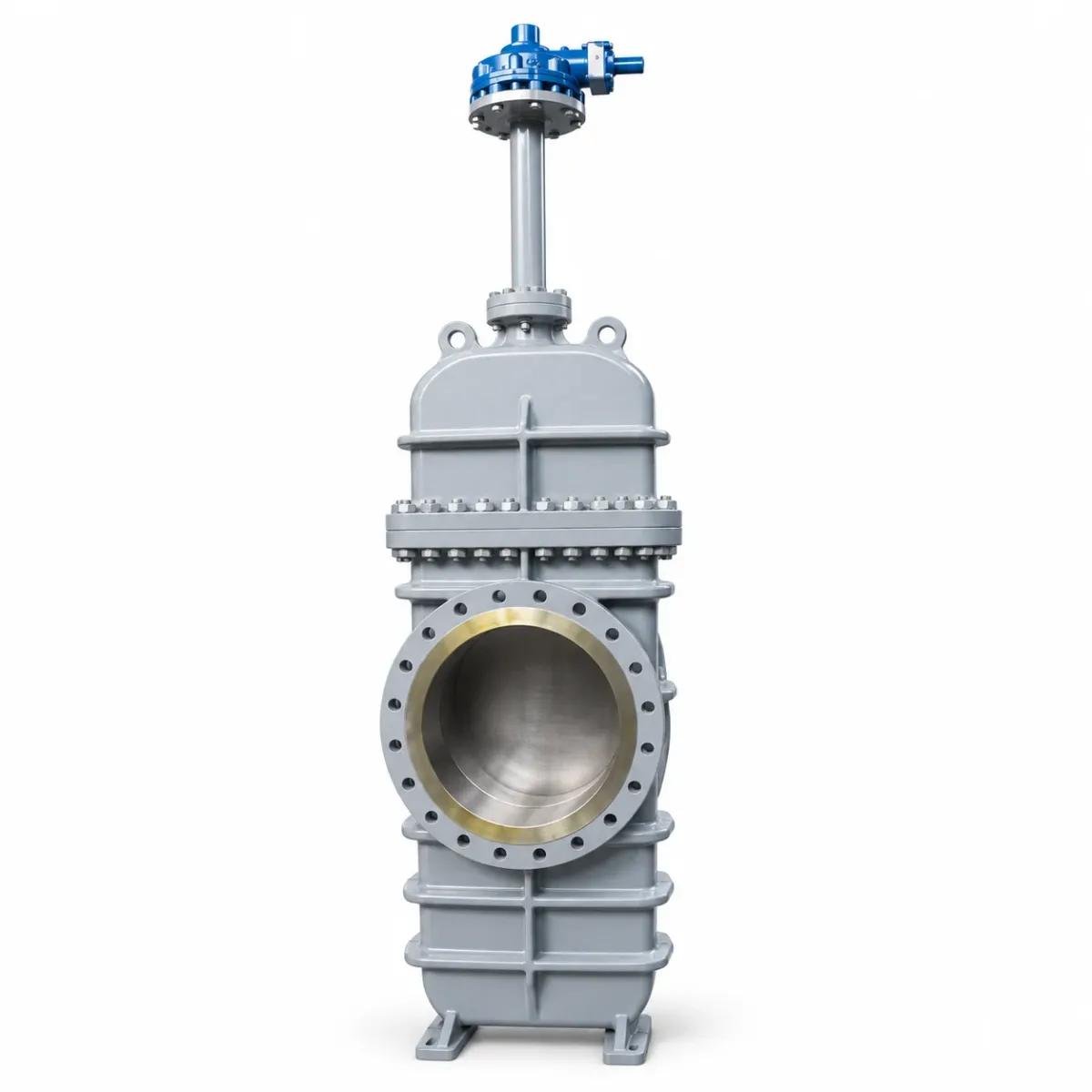
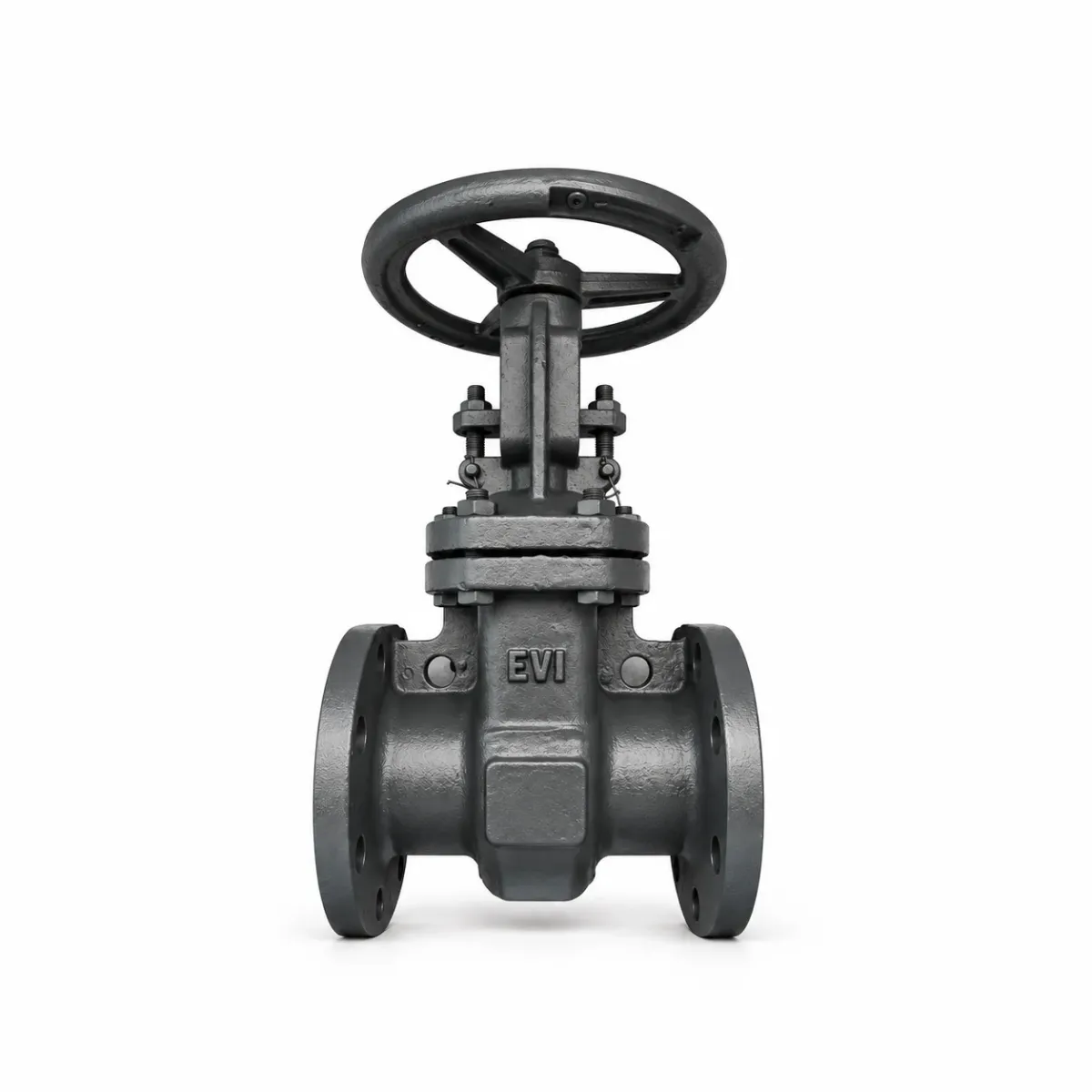
Cryogenic Gate Valve with extended bonnet construction for low-temperature LNG and industrial gas isolation.

Cryogenic Gate Valve Manufacturer in Italy
Cryogenic pipelines require isolation valves that maintain pressure integrity and shut-off performance when exposed to extremely low temperatures. Euro Valve Italia is a Cryogenic Gate Valve Manufacturer in Italy offering extended-bonnet valve configurations for LNG transfer systems, liquefied industrial gases and low-temperature process applications. A Cryogenic Gate Valve uses a vertically moving wedge to open or close the flow passage. Unlike a conventional Gate Valve, its construction must account for low-temperature material toughness, thermal contraction and protection of the stem packing from direct exposure to cryogenic process temperatures. The extended bonnet creates separation between the cryogenic fluid and the stem packing assembly. In appropriate installations, this helps maintain the packing region at a higher temperature than the fluid inside the valve body. Bonnet extension length is selected according to the operating temperature, valve size, installation orientation and applicable cryogenic design requirements. The stem, wedge, seat rings and bonnet components must also accommodate differential thermal contraction without compromising valve operation. Cryogenic Gate Valves are primarily used for full-open or full-closed operation. Their straight-through flow passage offers relatively low flow resistance when fully open, making them suitable for isolation duties in larger cryogenic pipelines. Austenitic stainless steel and qualified low-temperature carbon steel are common pressure-boundary material choices. Material selection depends on the minimum design metal temperature, fluid compatibility and applicable impact-testing requirements. Cryogenic service also requires particular attention to seat leakage, body integrity and operating torque. Testing at ambient temperature alone may not adequately demonstrate performance at the specified operating temperature, so cryogenic qualification testing should be considered where required.Extended Bonnet and Stem Sealing
Low-Temperature Isolation Performance
Frequently Asked Questions
Find quick answers to common questions about this product.
An extended bonnet increases the distance between the cryogenic fluid and the stem packing. This helps protect the packing from direct exposure to extremely low temperatures and supports sealing performance. The required extension length depends on operating temperature, valve dimensions and installation conditions.