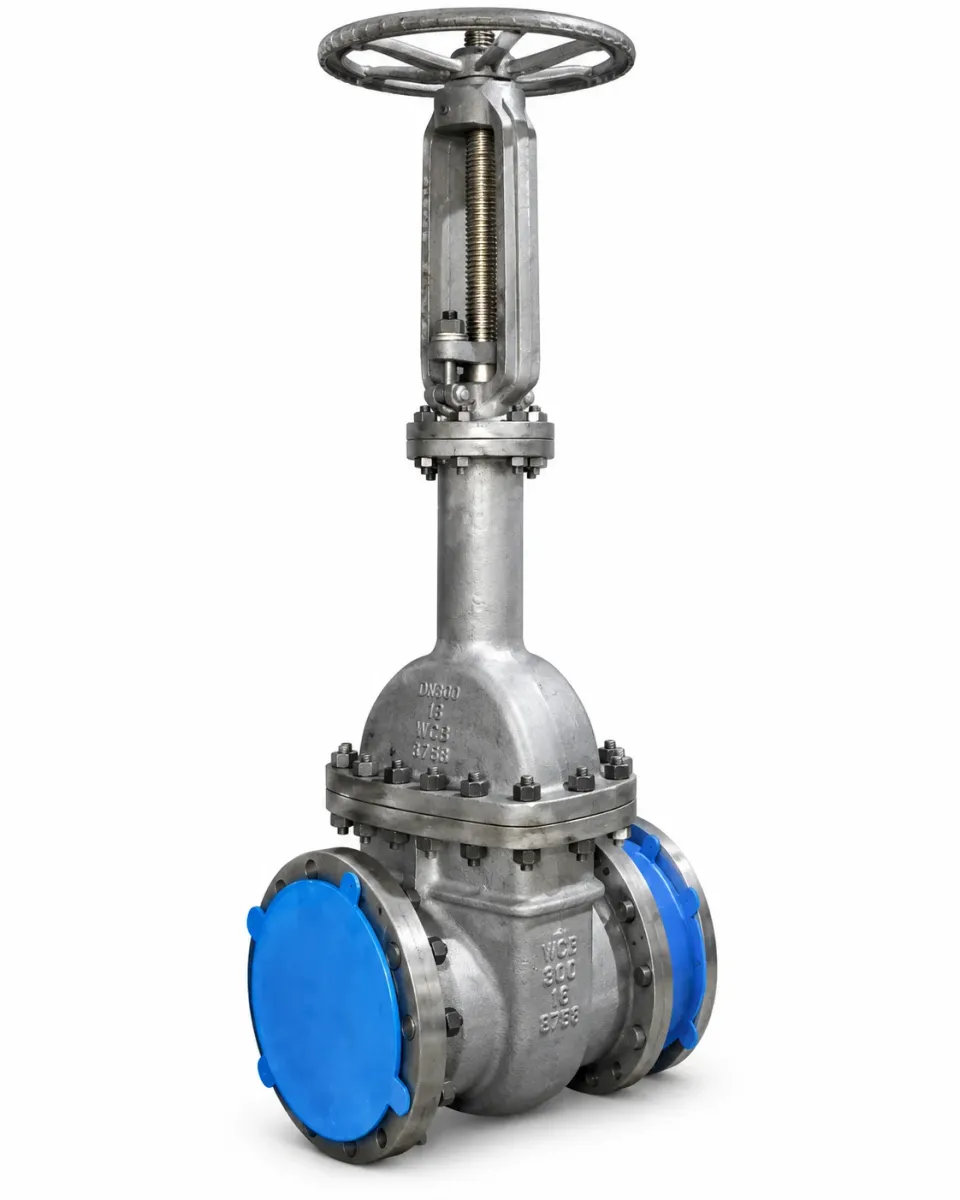
Pressure Seal Gate Valve
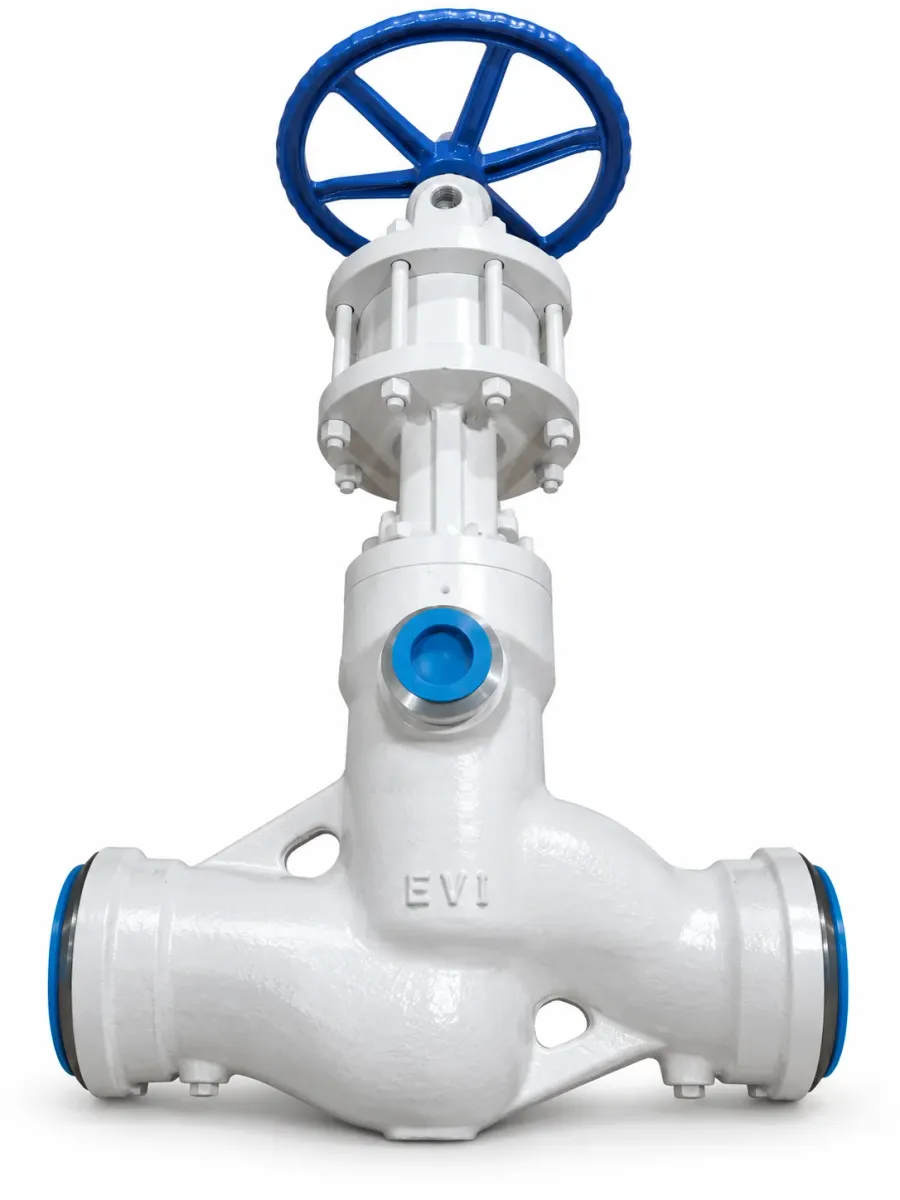
Pressure Seal Gate Valve with a pressure-energized bonnet joint for high-pressure steam and feedwater isolation.

Pressure Seal Gate Valve Manufacturer in Italy
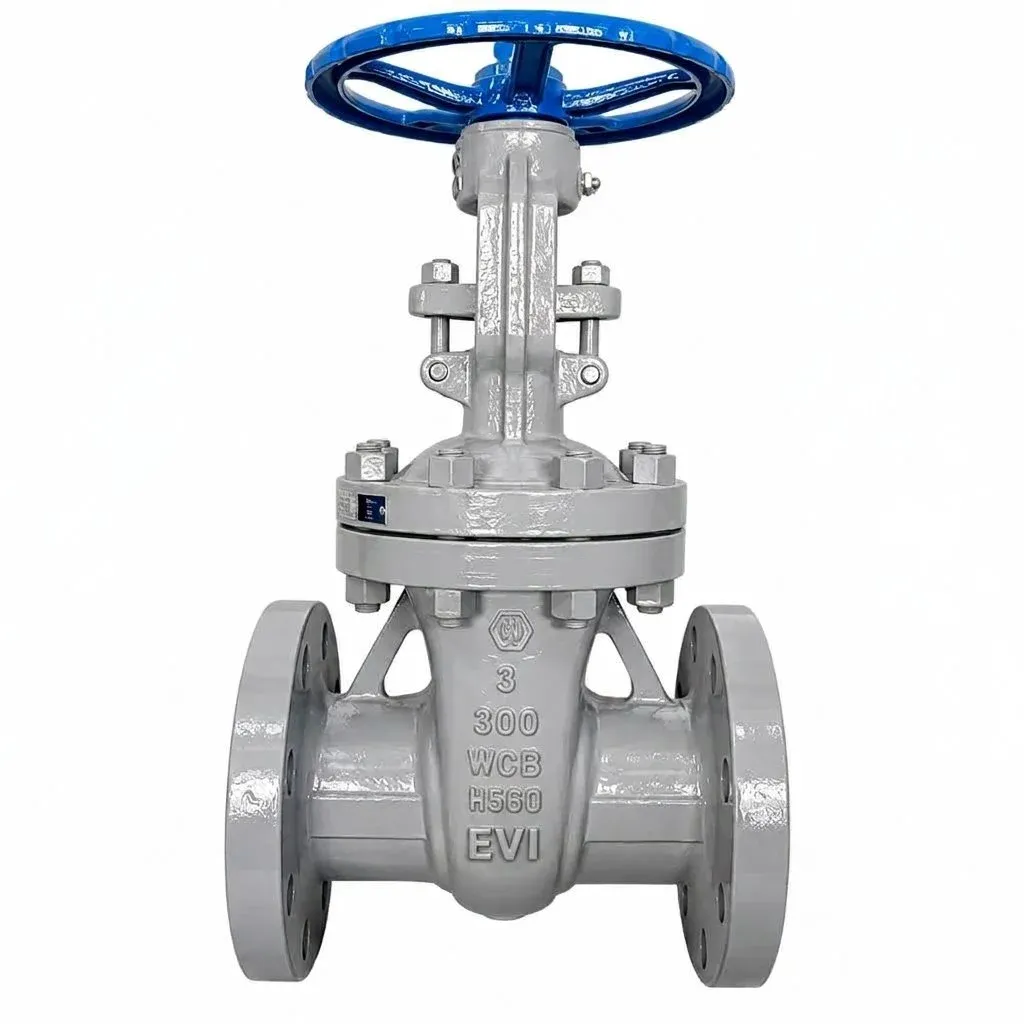
High-pressure steam and feedwater systems require gate valves capable of maintaining bonnet joint integrity under substantial internal pressure and thermal cycling. The selection of a Pressure Seal Gate Valve Manufacturer in Italy is therefore closely tied to the design of the pressure-energized bonnet, which uses internal fluid pressure to increase compression on the sealing element. This arrangement is particularly relevant to power generation and high-pressure industrial process applications. Unlike conventional bolted-bonnet gate valves, where joint sealing primarily depends on bolt preload, pressure seal construction uses the process pressure to reinforce the bonnet seal. The valve retains a rising-stem, wedge-type closure mechanism and is intended for full-open or full-closed isolation. The pressure seal assembly incorporates a bonnet, sealing ring and segmented retaining arrangement. As internal pressure rises, the bonnet moves against the pressure seal ring, increasing the contact pressure between the sealing surfaces. This construction is widely associated with high-pressure valve designs because the sealing force increases with operating pressure. However, correct ring geometry, surface finish, material selection and assembly procedures remain essential for maintaining joint integrity, particularly during start-up and thermal cycling. Pressure Seal Gate Valves are used in main steam lines, boiler feedwater systems, superheated steam piping and other high-pressure isolation duties. Chromium-molybdenum alloy steels such as ASTM A217 WC6 and WC9 are relevant to elevated-temperature service, while ASTM A216 WCB carbon steel can be selected where its pressure-temperature limits are suitable. Flexible-wedge construction may be used to accommodate limited thermal distortion. Hard-faced seating surfaces provide additional resistance to wear under demanding operating conditions, while butt weld end connections are commonly specified for high-pressure piping installations. The pressure class, body material, bonnet seal arrangement and operating temperature must be evaluated together to establish the suitability of the complete valve.Pressure-Energized Bonnet Construction
High-Pressure and Elevated-Temperature Applications
Frequently Asked Questions
Find quick answers to common questions about this product.
A Pressure Seal Gate Valve uses internal fluid pressure to increase compression on its bonnet sealing element. A conventional Bolted Bonnet Gate Valve primarily relies on bolt preload to compress the body-bonnet gasket. Pressure seal construction is particularly relevant to high-pressure applications, although correct assembly and sealing surface condition remain essential.