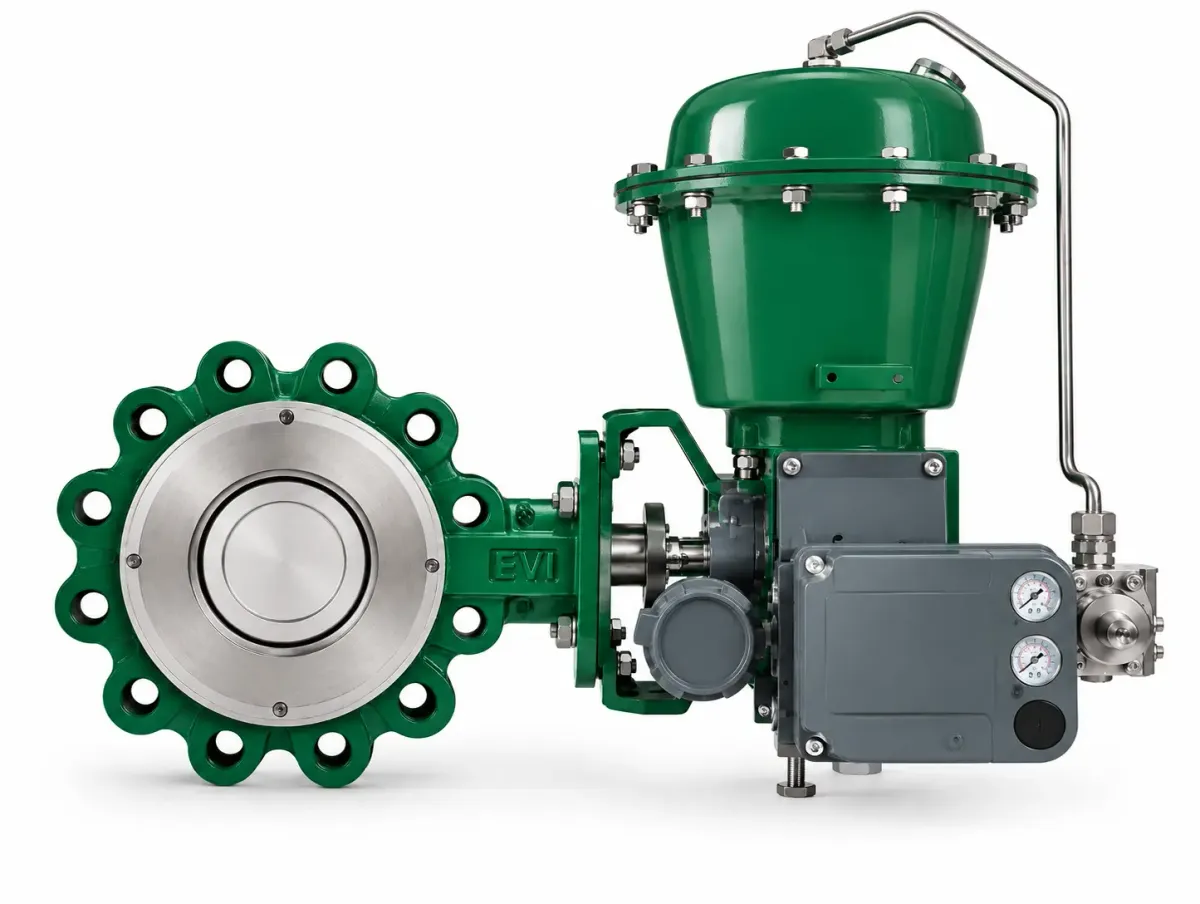
Conventional Safety Relief Valve
Spring-loaded safety relief valve with calibrated set pressure and automatic overpressure protection.

Conventional Safety Relief Valve Manufacturer in Italy
A Conventional Safety Relief Valve protects pressurised equipment and pipelines by releasing excess fluid when system pressure reaches a predetermined set pressure. The valve uses a spring-loaded disc that remains seated during normal operation and lifts when inlet pressure overcomes the spring force. It is commonly used for pressure protection in steam, gas, vapour and liquid systems, subject to the selected valve's design and certification. Euro Valve Italia provides conventional safety relief valve configurations for industrial pressure protection. For projects requiring a Conventional Safety Relief Valve Manufacturer in Italy, selection considers the required relieving capacity, set pressure, fluid properties, operating temperature and discharge conditions. The disc is held against the seat by a calibrated spring. When inlet pressure reaches the specified opening pressure, the disc lifts and allows fluid to discharge through the outlet. Spring compression determines the set pressure within the approved adjustment range. After the pressure decreases sufficiently, the valve reseats according to its specified blowdown characteristics. The disc and nozzle arrangement determines the effective flow area, sealing performance and opening characteristics of the valve. Metal-seated designs are commonly used for elevated-temperature service, while suitable soft-seated arrangements may be selected for applications requiring improved seat tightness. The required orifice area is determined from the relieving conditions, fluid properties, applicable discharge coefficient and governing pressure relief requirements. Conventional safety relief valves do not incorporate a balanced bellows or separate pilot mechanism. Consequently, discharge backpressure can influence their opening pressure and relieving performance. Superimposed backpressure may affect the set pressure, while excessive built-up backpressure can reduce valve lift or cause unstable operation. The inlet and discharge piping must be designed to limit excessive pressure losses and accommodate the required relief flow.Spring-Loaded Disc and Set Pressure Adjustment
Disc, Seat and Relief Capacity
Backpressure and Discharge Conditions
Frequently Asked Questions
Find quick answers to common questions about this product.
A conventional safety relief valve uses a spring-loaded disc without a pressure-balancing bellows. A balanced bellows valve incorporates a metallic bellows to reduce the influence of discharge backpressure on valve operation. Conventional designs are generally selected where backpressure remains within acceptable limits.