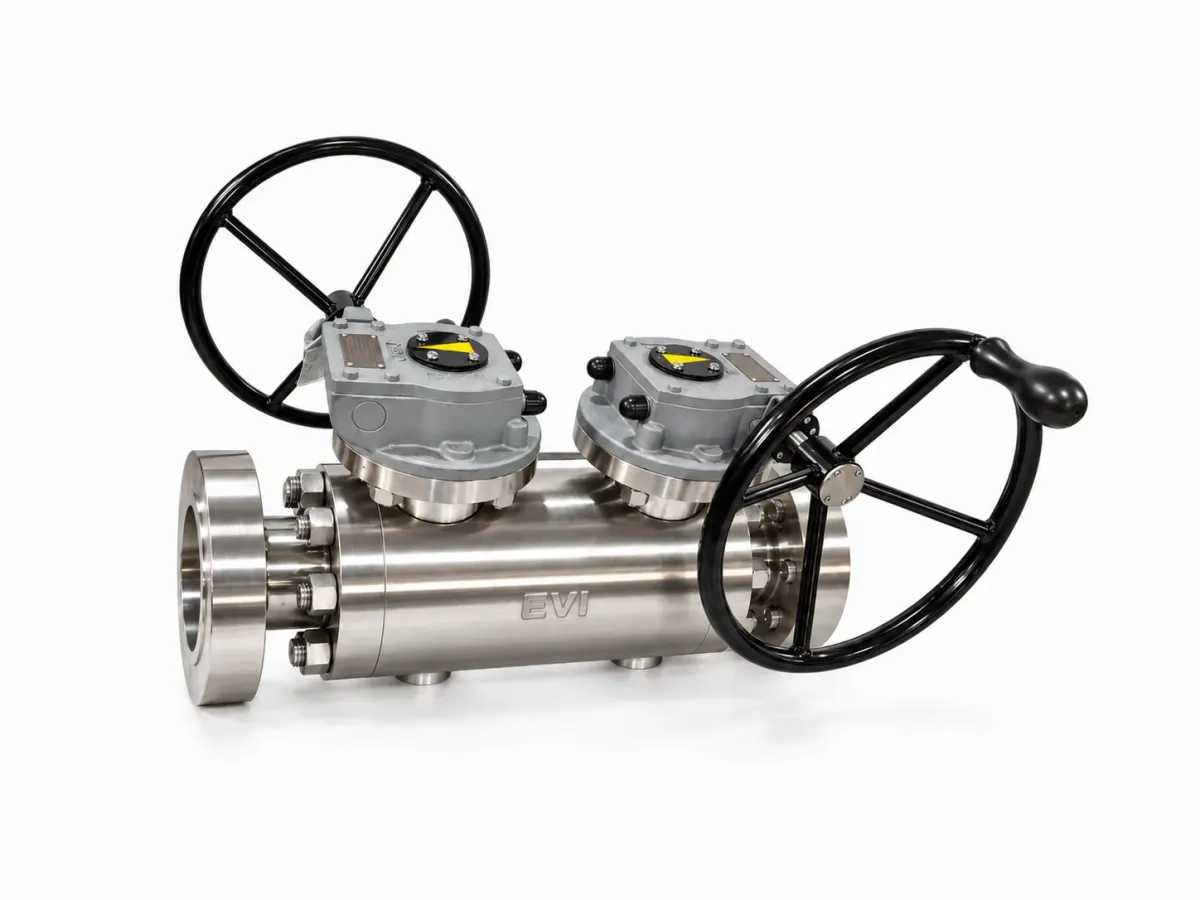
Floating Ball Valve
Floating Ball Valve with pressure-assisted sealing and compact body construction for industrial shut-off applications.

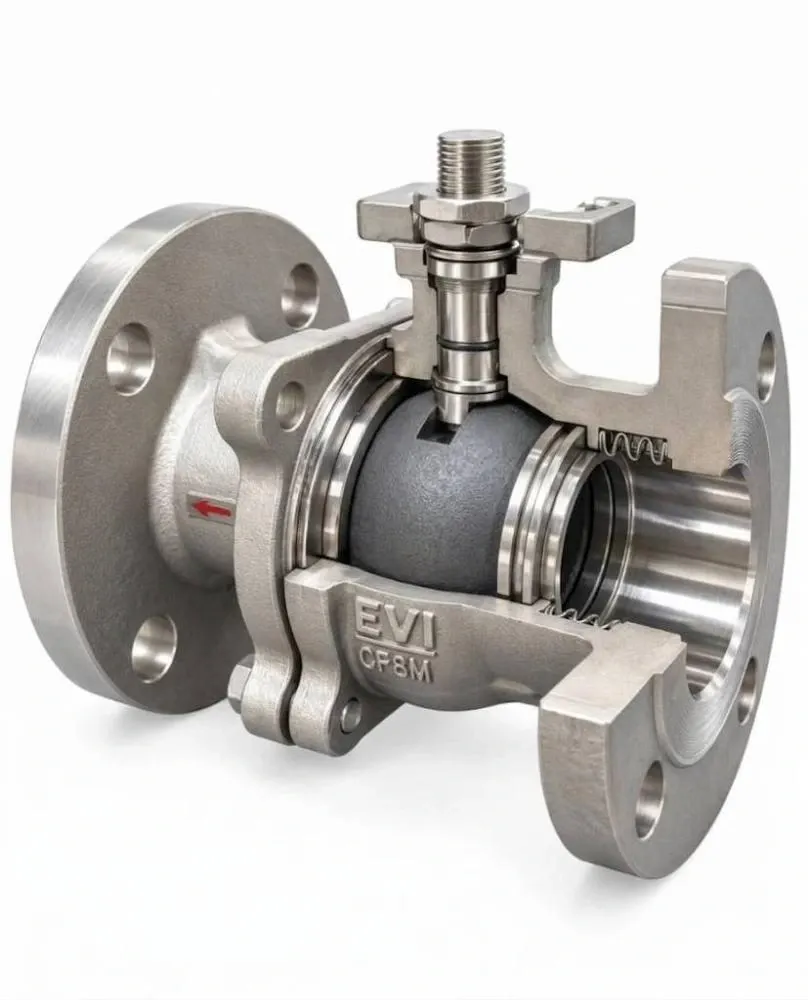
The sealing action of a Floating Ball Valve depends on a small but deliberate movement of the ball. When the valve closes, upstream fluid pressure pushes the ball against the downstream seat, creating a pressure-assisted seal without the fixed trunnion supports used in larger ball valve designs.
For buyers looking for a Floating Ball Valve Manufacturer in Italy, Euro Valve Italia covers configurations for compact, quarter-turn isolation in process piping, chemical handling and industrial utility systems.
Pressure-Assisted Shut-Off
The ball is supported by its seats and connected to the stem through a drive slot that permits limited lateral movement. As differential pressure increases, the downstream seat carries more of the sealing load. This makes seat material selection and operating torque particularly important, especially as valve size or pressure increases.
Floating Ball Valves are commonly selected for small- and medium-bore piping where tight shut-off, straightforward operation and compact installation dimensions are priorities.
Body Construction and Service Options
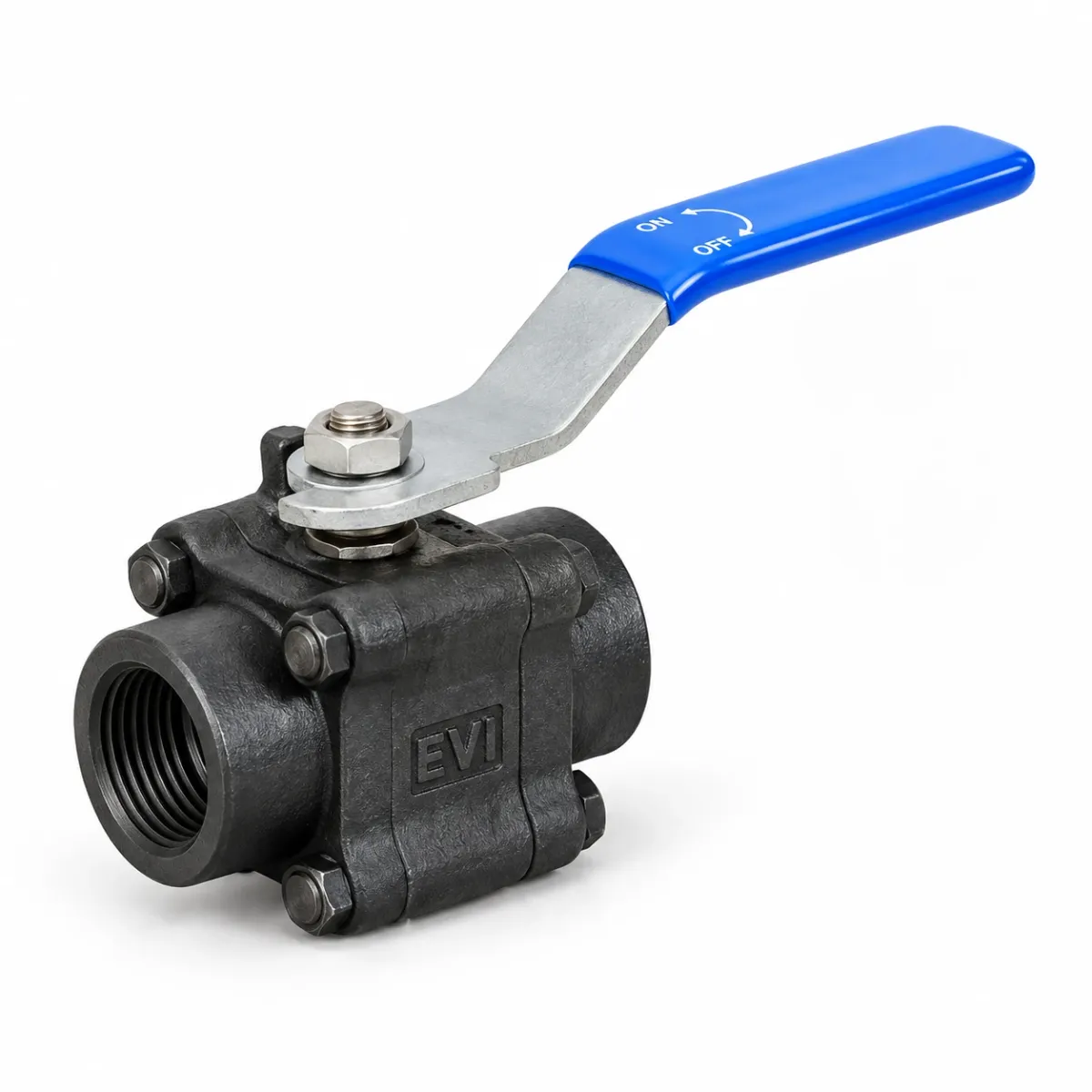
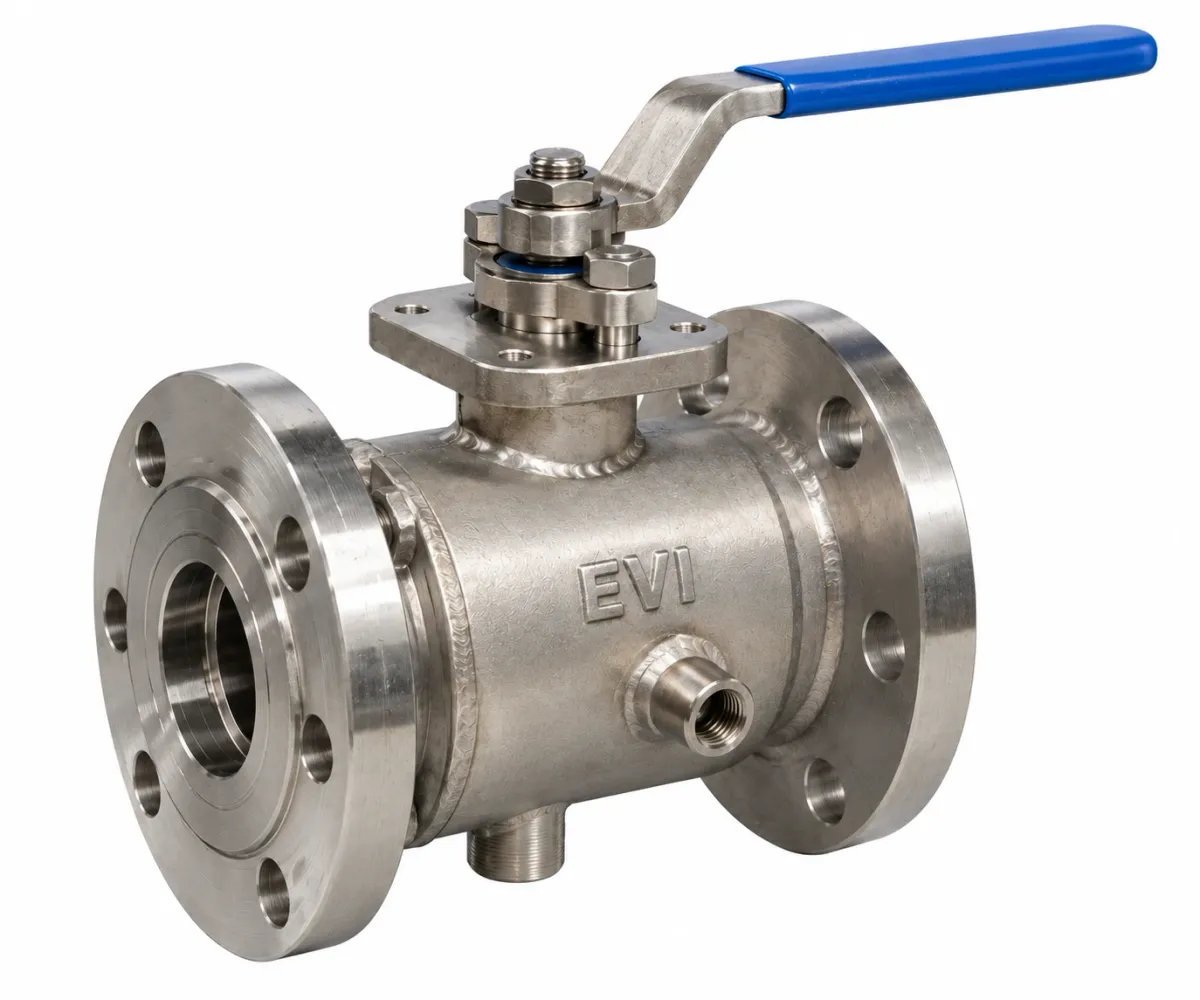
One-piece, two-piece and three-piece body designs are used according to connection requirements and maintenance preferences. Full-bore configurations minimize flow restriction, while reduced-bore designs provide a more compact alternative.
Depending on service conditions, the valve may incorporate a blowout-resistant stem, anti-static continuity, fire-safe construction, locking arrangements and low-emission stem packing. Lever-operated designs are common, with pneumatic and electric actuation available for automated isolation.
Frequently Asked Questions
Find quick answers to common questions about this product.
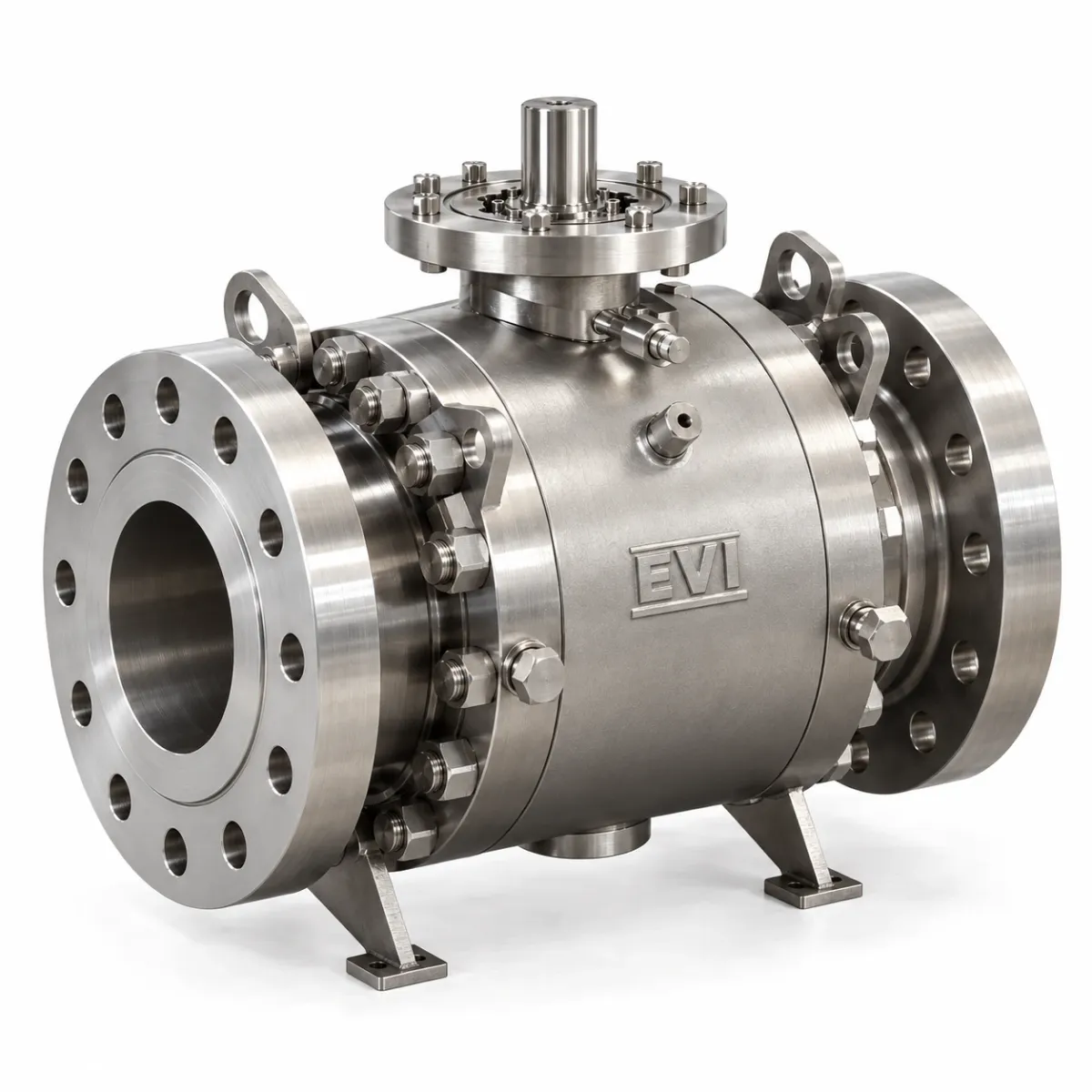
A Floating Ball Valve is generally suitable for smaller pipe diameters and applications where its compact construction and pressure-assisted sealing provide the required shut-off performance. Trunnion Mounted Ball Valves are often preferred for larger diameters or higher differential pressures because the ball is mechanically supported, reducing the pressure load transmitted to the seats.