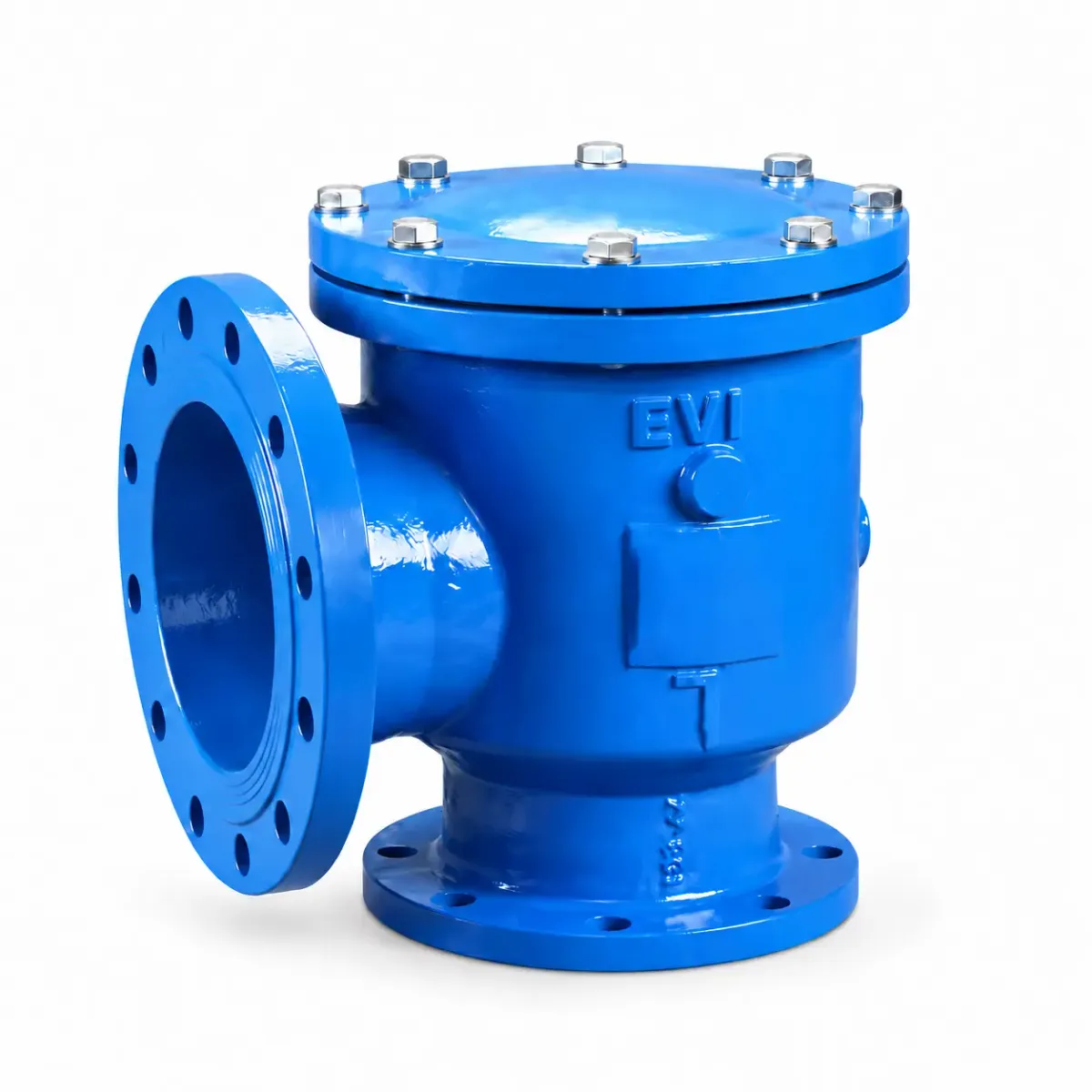
Kinetic Air Valve
Kinetic air valve for large-volume air discharge during pipeline filling and air admission during draining.

Kinetic Air Valve Manufacturer in Italy
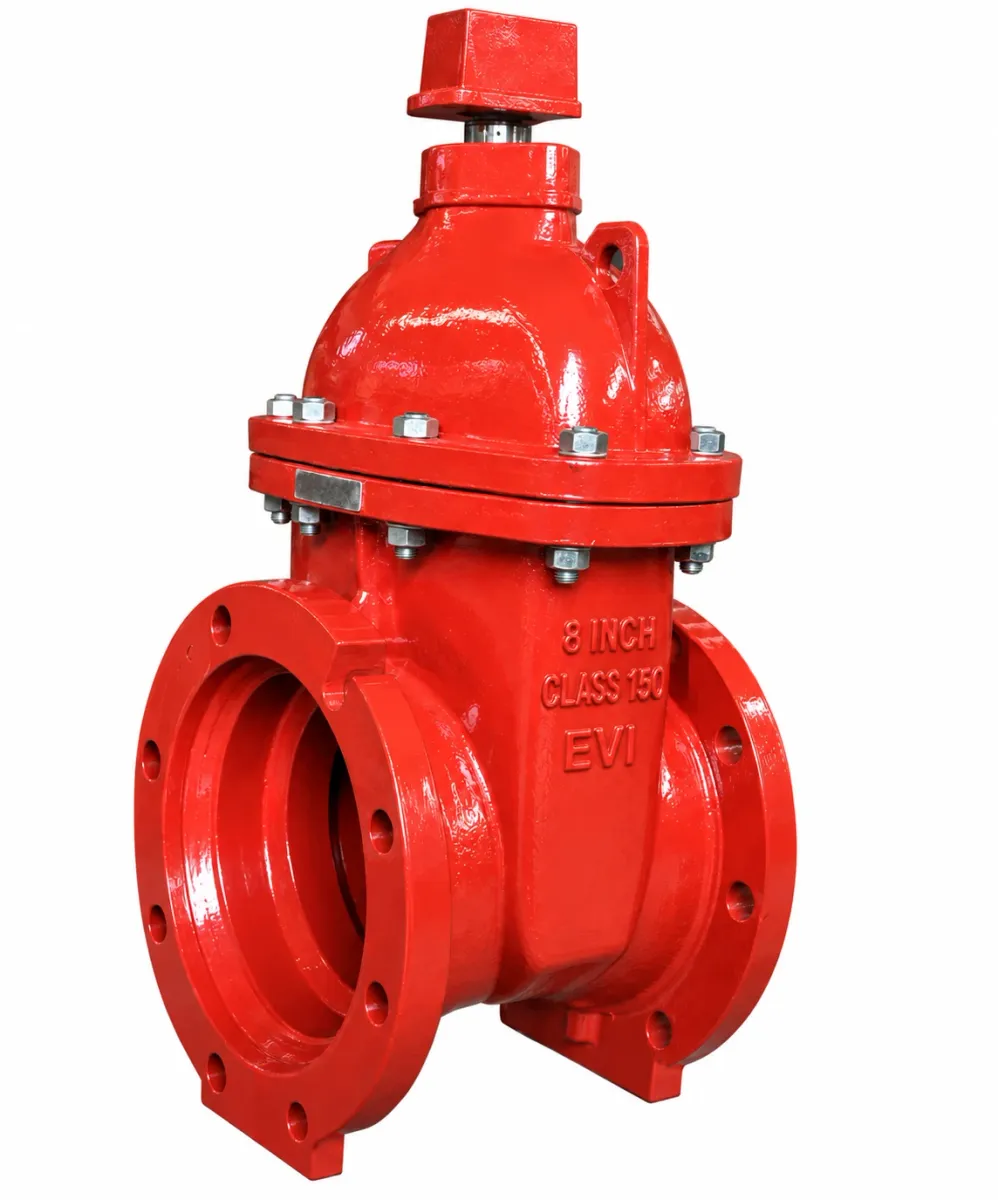
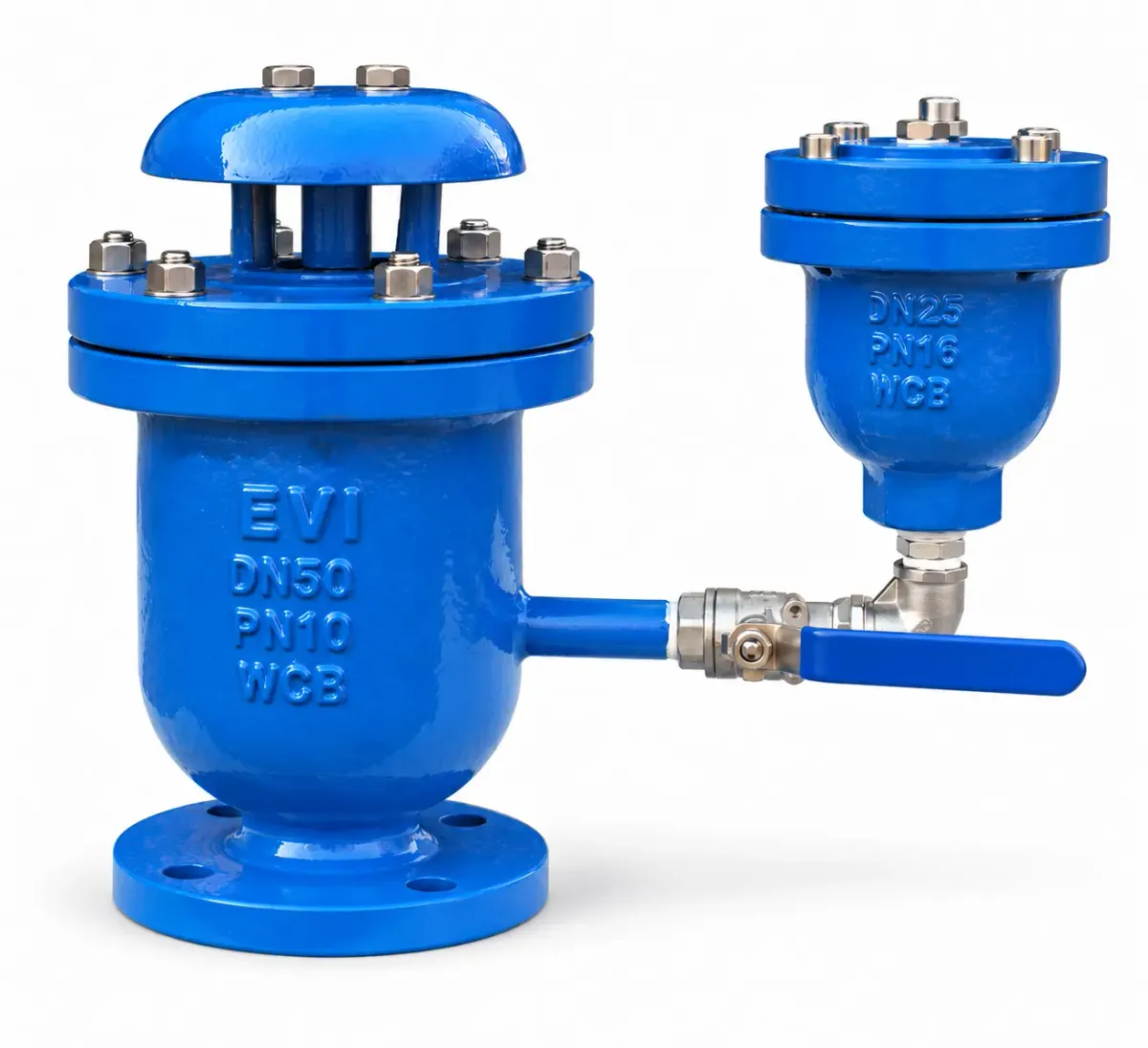
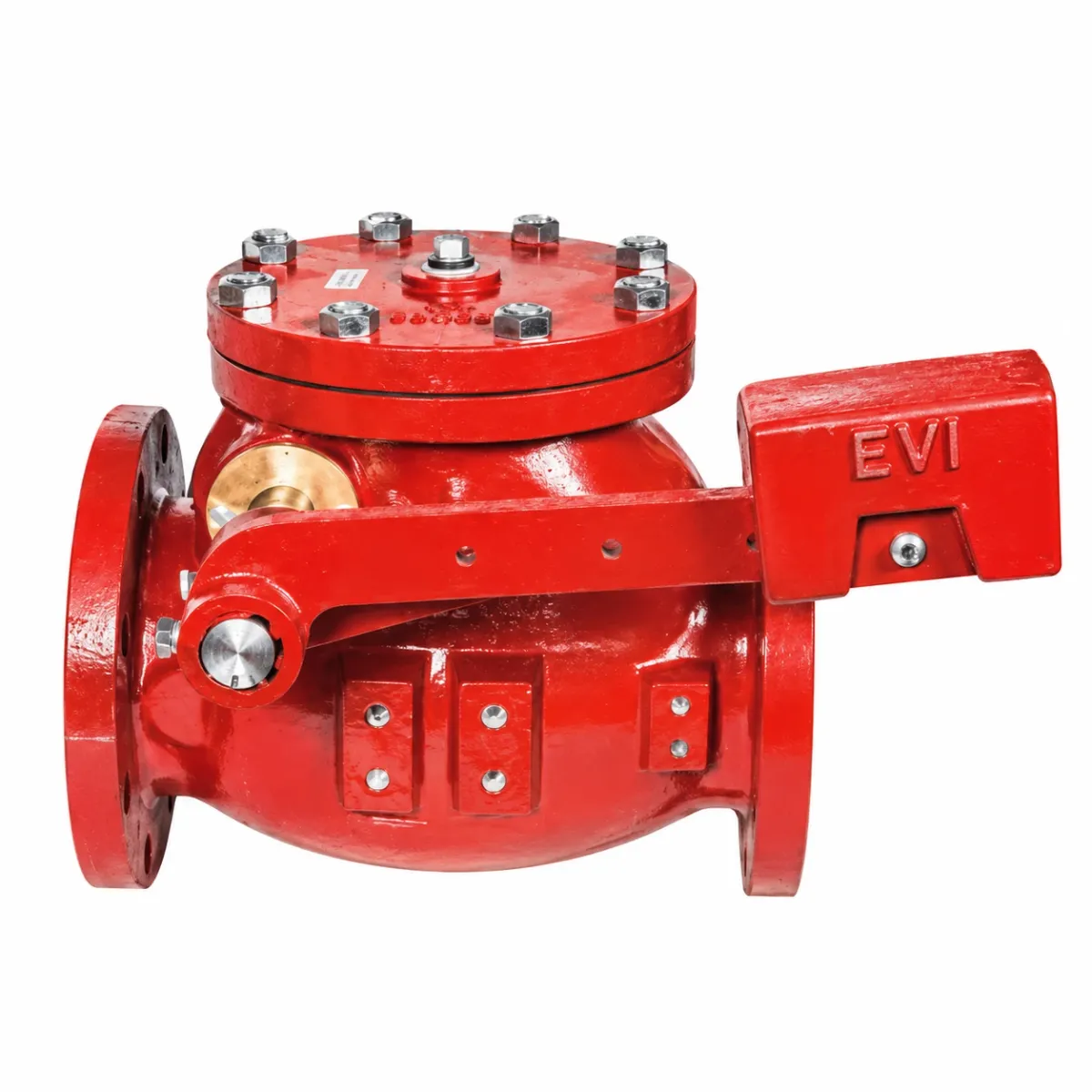
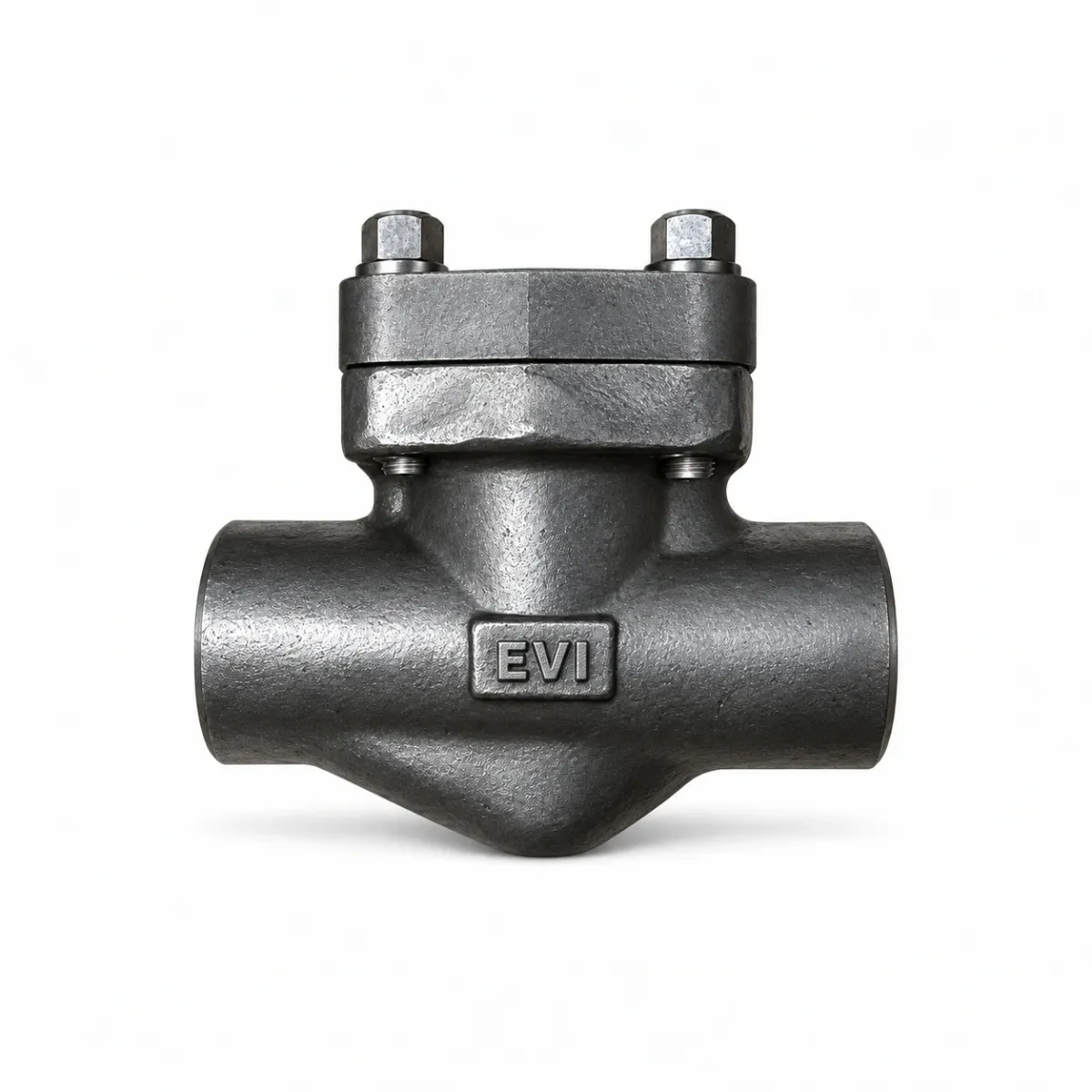
Kinetic Air Valves are designed to discharge large volumes of air during pipeline filling and admit air during draining or negative-pressure conditions. Also known as air/vacuum valves, they use a large air passage and float-operated mechanism to control air movement in water transmission, distribution and industrial utility pipelines. For water pipeline applications, Euro Valve Italia provides configurations selected according to air-flow capacity, operating pressure and float mechanism construction. Choosing a Kinetic Air Valve Manufacturer in Italy involves evaluating the required air discharge and admission rates, differential pressure and pipeline elevation profile. Correct sizing is important because insufficient air-handling capacity can contribute to excessive pressure differentials during filling and draining. The valve incorporates a large air passage designed to handle substantial air-flow rates during pipeline filling and draining. During filling, displaced air escapes through the open passage. As water enters the valve chamber, the float rises and closes the opening to prevent water discharge. When the pipeline is drained or negative pressure develops, the float drops and allows air to enter. This helps limit excessive vacuum conditions and associated pipeline loading. Unlike a combination air valve, a conventional kinetic air valve does not continuously release small air pockets during normal pressurised operation. Kinetic air valves operate automatically through a buoyancy-controlled float mechanism without external actuation. Ductile iron and cast iron are commonly used for water-service valve bodies. Stainless steel floats and corrosion-resistant internal components may be selected according to the operating environment. The sealing arrangement maintains closure under positive pipeline pressure while allowing the large air passage to reopen when air admission is required. Float guidance, orifice dimensions and sealing materials influence the valve's response to changing water levels and differential pressure. Valve sizing depends on pipeline diameter, filling and draining rates, elevation profile and permissible positive or negative differential pressure. Air discharge and admission performance curves should be evaluated separately because the two capacities may differ. Kinetic air valves are commonly installed at pipeline high points and other locations identified through hydraulic analysis. Where rapid air expulsion may create damaging pressure transients, a controlled-closing or anti-slam arrangement may be required. Such features depend on the selected valve design.Large-Volume Air Discharge and Admission
Float Mechanism and Internal Construction
Air-Flow Capacity and Pipeline Installation
Frequently Asked Questions
Find quick answers to common questions about this product.
A kinetic air valve provides large-volume air discharge during pipeline filling and air admission during draining. A combination air valve additionally releases small quantities of accumulated air while the pipeline remains pressurised. The appropriate choice depends on whether the pipeline requires air/vacuum protection alone or all three air-management functions.