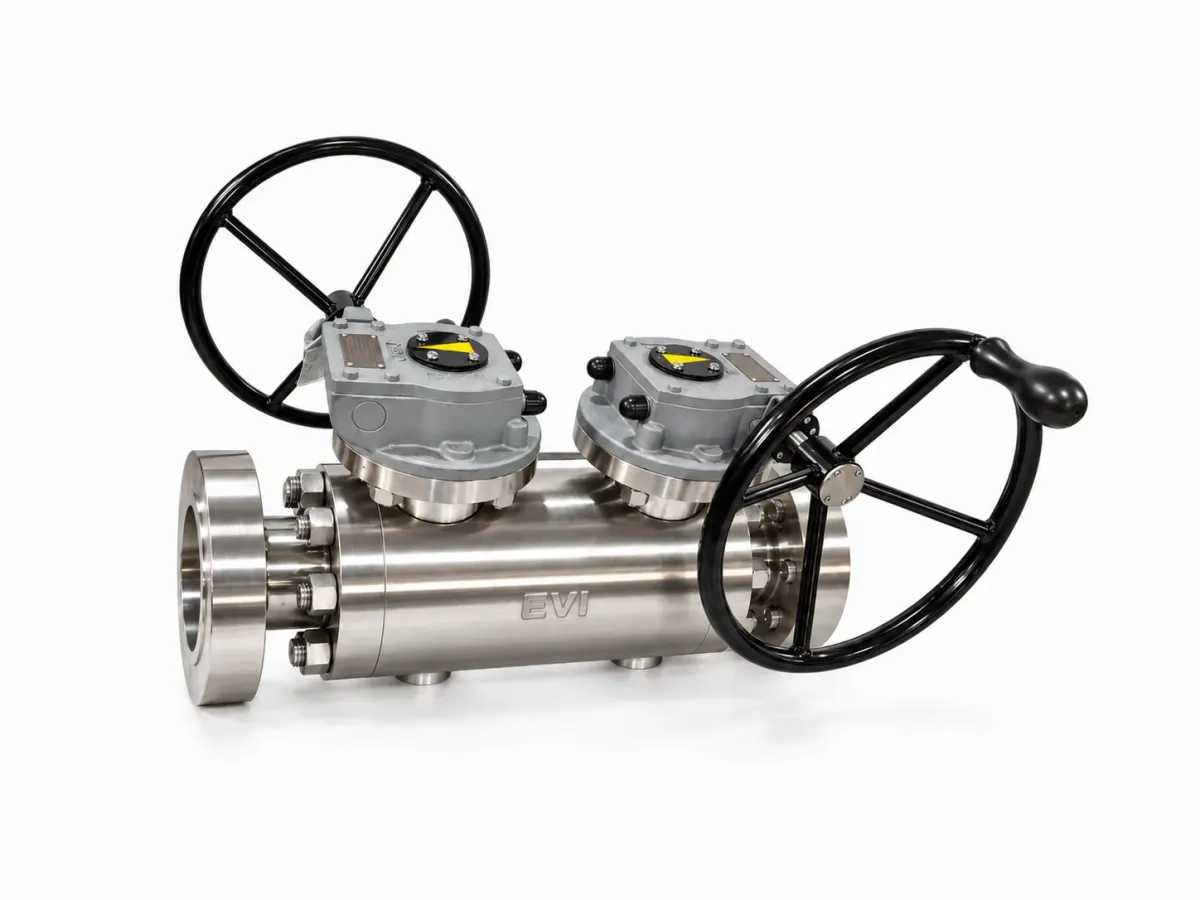
Top Entry Ball Valve
Top Entry Ball Valve for high-pressure isolation, with in-line maintenance access and trunnion-mounted options.

Top Entry Ball Valve Manufacturer in Italy
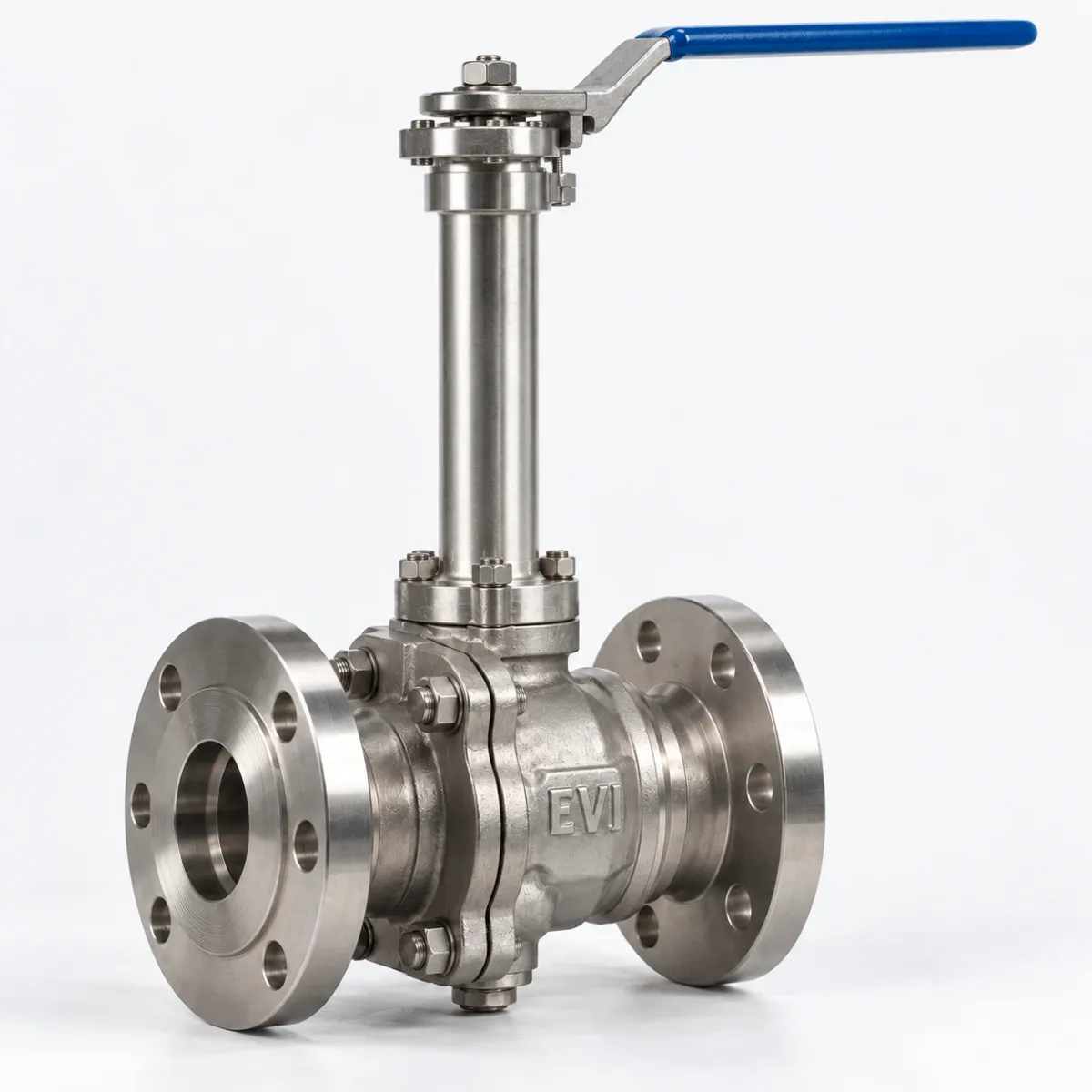
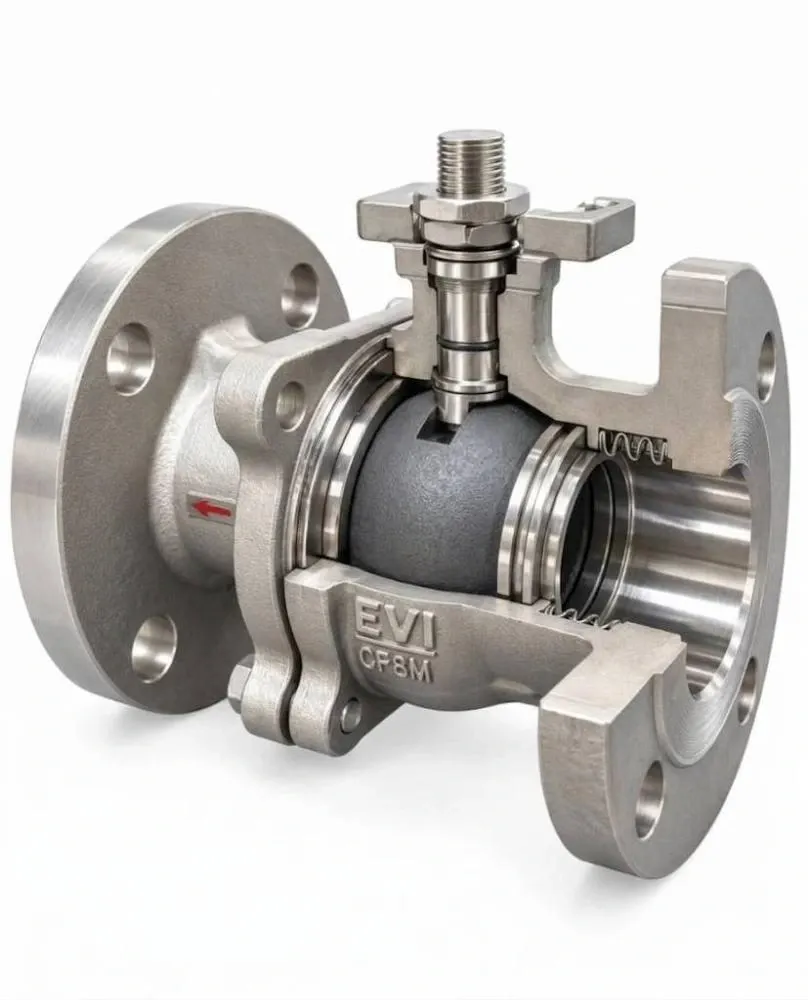
In high-pressure piping systems, removing a valve for internal maintenance can involve extensive dismantling and prolonged shutdowns. As a Top Entry Ball Valve Manufacturer in Italy, Euro Valve Italia offers designs with a removable upper bonnet that provides access to the ball, seats and internal sealing components while the valve body remains installed in the pipeline. This construction is particularly useful in welded piping arrangements and critical isolation services where maintenance accessibility is a major consideration.
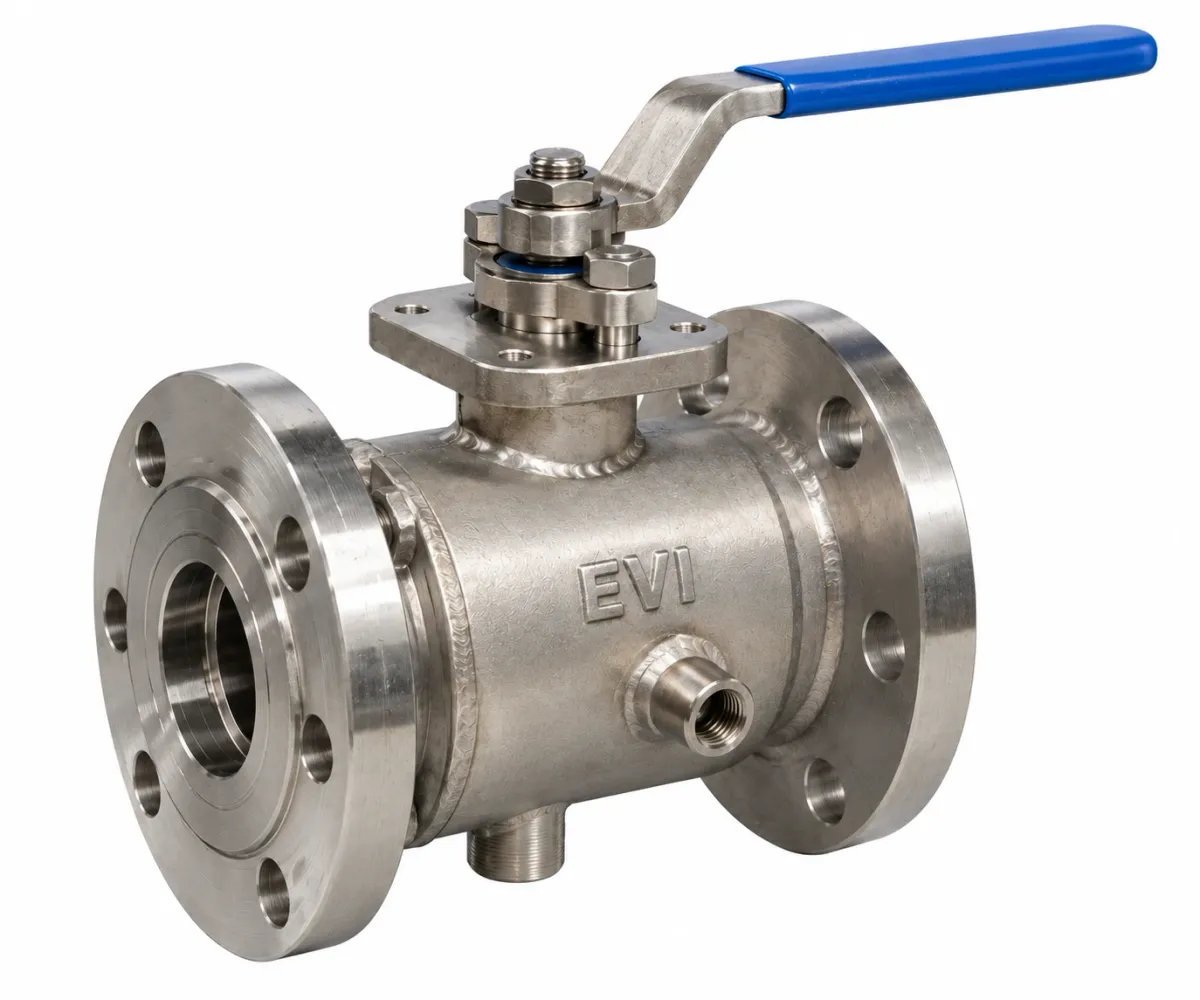
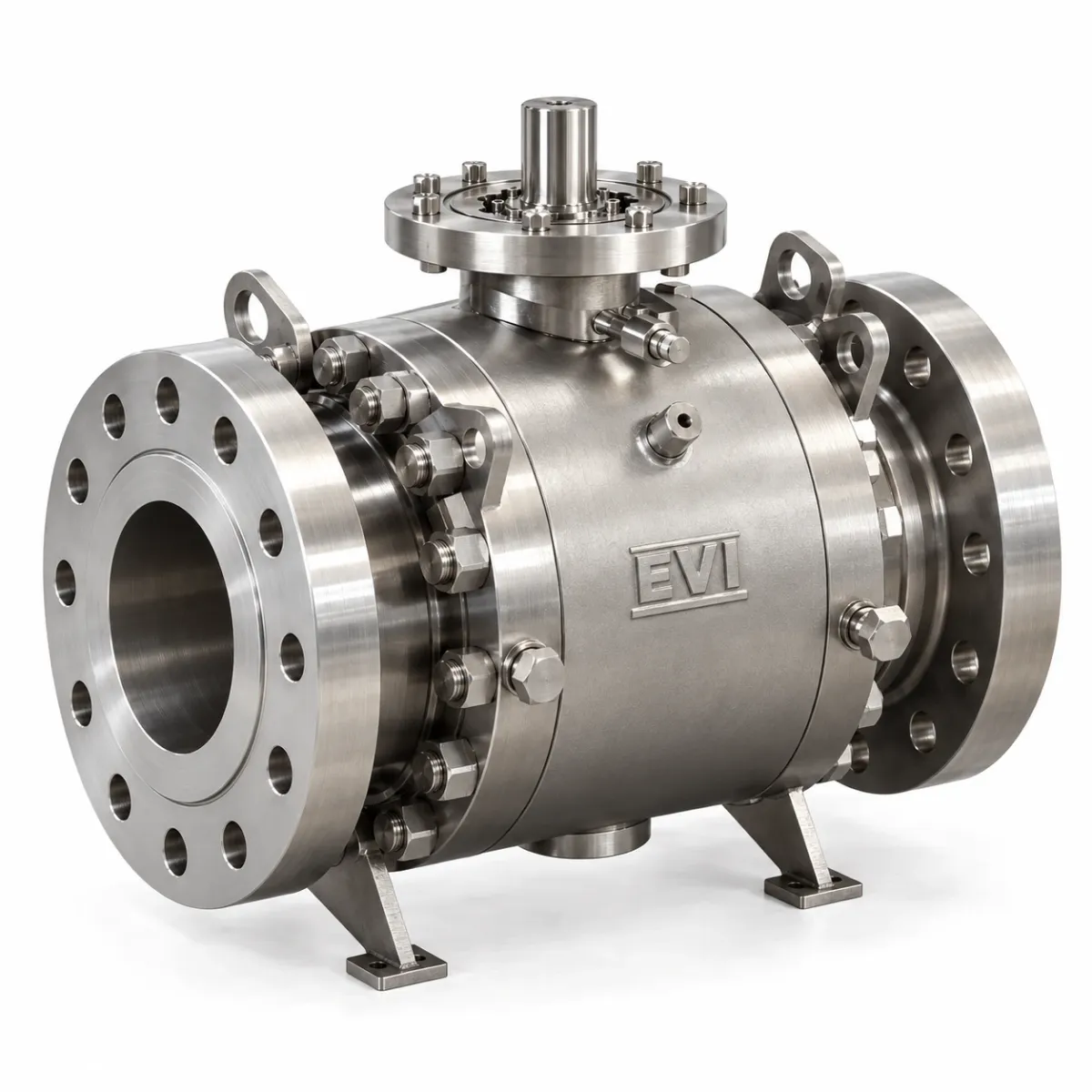
A Top Entry Ball Valve typically features a one-piece pressure-containing body and a bolted bonnet. Trunnion-mounted designs are commonly selected for larger diameters and higher differential pressures because the ball is mechanically supported, reducing the load transmitted to the seats. Floating-ball configurations are also possible for suitable sizes and operating conditions.
Sealing Arrangements and Pressure Control
Top Entry Ball Valves can incorporate spring-loaded seats, pressure-assisted sealing and cavity pressure relief arrangements. Single-Piston-Effect (SPE) and Double-Piston-Effect (DPE) seats are selected according to isolation requirements and the intended method of relieving trapped cavity pressure.
Soft-seated configurations commonly use PTFE, RPTFE or PEEK, while metal-seated designs may incorporate hardened sealing surfaces for elevated-temperature, abrasive or severe-service applications. Fire-safe construction and low-emission stem sealing can be specified when required by the service conditions.
Maintenance and Operational Configuration
The top-entry bonnet allows internal components to be inspected or replaced without removing the main valve body from the piping system, provided the valve has been safely isolated and depressurized. Sufficient overhead clearance must be available for bonnet removal and component lifting.
Full-bore configurations are suitable for applications requiring an unobstructed flow passage, including compatible piggable pipelines. Reduced-bore configurations may be selected where a smaller flow passage is acceptable.
Manual lever, gearbox, pneumatic and electric operation can be specified according to valve dimensions, operating torque and automation requirements.
Design and Testing Considerations
Valve selection should account for operating pressure, temperature, fluid composition, differential pressure, required shut-off performance and installation conditions.
Depending on the application, Top Entry Ball Valves may be designed and tested to API 6D, API 608, ASME B16.34 and API 598. Additional requirements may include fire-safe qualification, fugitive-emission testing, material traceability and non-destructive examination.
Frequently Asked Questions
Find quick answers to common questions about this product.
The primary difference is the method of accessing internal components. A Top Entry Ball Valve has a removable upper bonnet, while a Side Entry Ball Valve generally requires access through body sections or side openings. Top-entry construction can be advantageous where maintenance must be performed without removing the valve body from the pipeline.