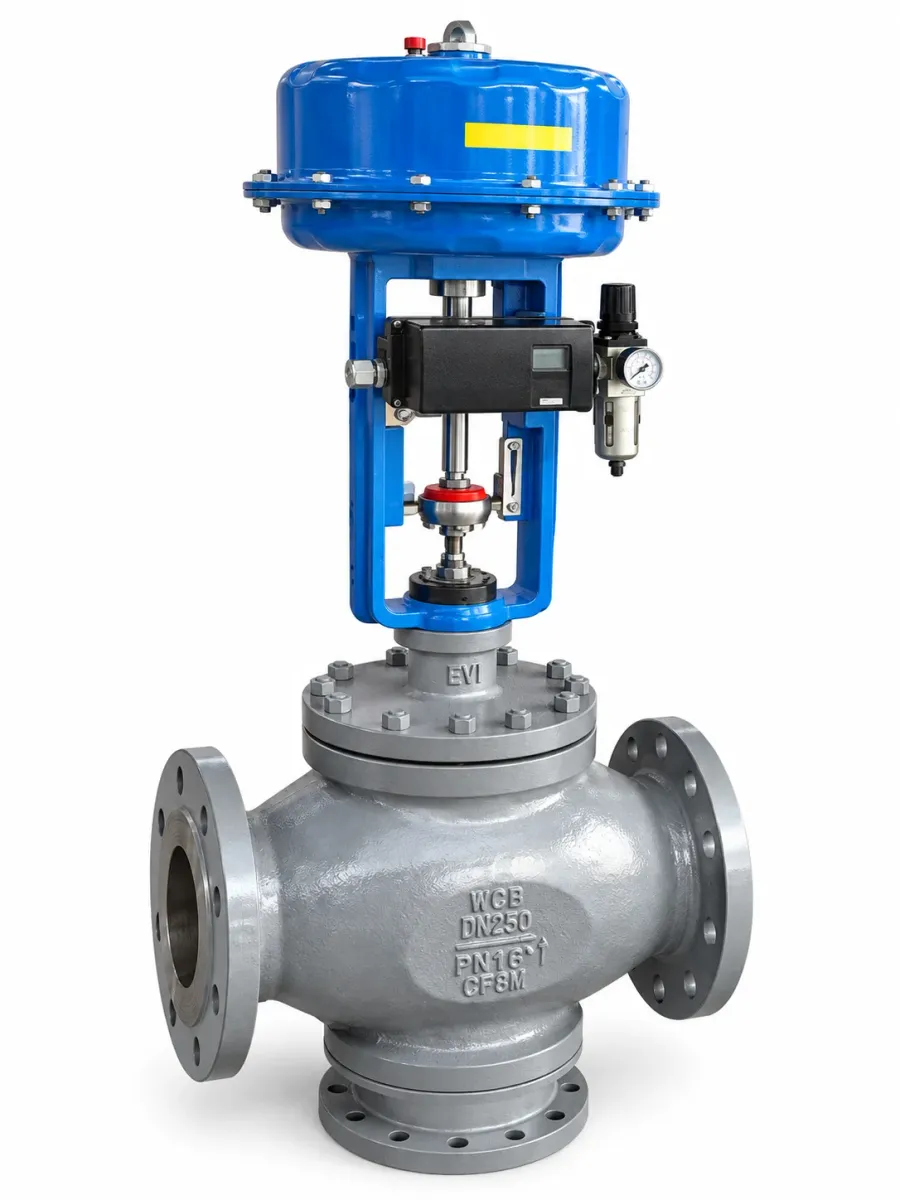
Through-Conduit Knife Gate Valve
Through-conduit knife gate valve with an unobstructed flow passage and manual or pneumatic operation.

Through-Conduit Knife Gate Valve Manufacturer in Italy
Through-Conduit Knife Gate Valves are designed for isolating slurry and solids-bearing fluids in industrial pipelines. Their straight-through flow passage reduces obstruction when the gate is fully open, helping limit material accumulation and maintain flow in applications involving suspended solids.
In mining and mineral processing, the selection of a Through-Conduit Knife Gate Valve Manufacturer in Italy involves evaluating more than the valve's nominal size and pressure rating. Slurry concentration, particle size, gate material, seat construction and differential pressure influence the valve's sealing performance and operating requirements. Euro Valve Italia provides configurations designed around these technical considerations.
Through-Conduit Construction and Flow Passage
The valve incorporates a sliding gate that moves perpendicular to the pipeline flow. When fully open, the gate is withdrawn from the main flow passage, allowing slurry or other process fluids to pass through with minimal obstruction.
The through-conduit arrangement is intended to reduce areas where solids can accumulate. Its internal geometry is particularly relevant in pipelines carrying mineral slurries, sludge and other fluids containing suspended particles.
Actual flow performance depends on the valve's bore geometry, seat configuration and installation conditions.
Gate Design and Sealing Arrangement
The gate is manufactured from a material selected for mechanical strength, corrosion resistance and wear performance. Stainless steel and suitable corrosion-resistant alloys may be specified for demanding slurry applications.
Depending on the construction, sealing may be achieved through resilient sleeves, replaceable seats or other engineered sealing arrangements. Gate surface finish and seat contact influence leakage performance and operating thrust.
Bidirectional sealing is available in certain through-conduit designs, but the required sealing direction and allowable differential pressure must be confirmed for the selected configuration.
Actuation and Slurry Isolation
Through-conduit knife gate valves operate through linear gate movement. A stem and operating mechanism raise or lower the gate to open or close the flow passage.
Manual handwheels, pneumatic cylinders, hydraulic actuators and electric actuators may be used according to valve size, operating frequency and required thrust.
For abrasive slurry applications, actuator selection must consider differential pressure, gate friction and resistance caused by accumulated solids. Gate and seat material selection should also account for particle hardness, concentration and expected operating cycles.
Frequently Asked Questions
Find quick answers to common questions about this product.
Higher slurry concentrations can increase resistance to gate movement and accelerate wear on the sealing surfaces. Performance also depends on particle size, hardness, fluid velocity and the selected seat construction. The valve should be evaluated against the actual slurry composition and operating conditions.