Water Pressure Reducing Valve
Automatic water pressure reducing valve for maintaining controlled downstream pressure in distribution pipelines.

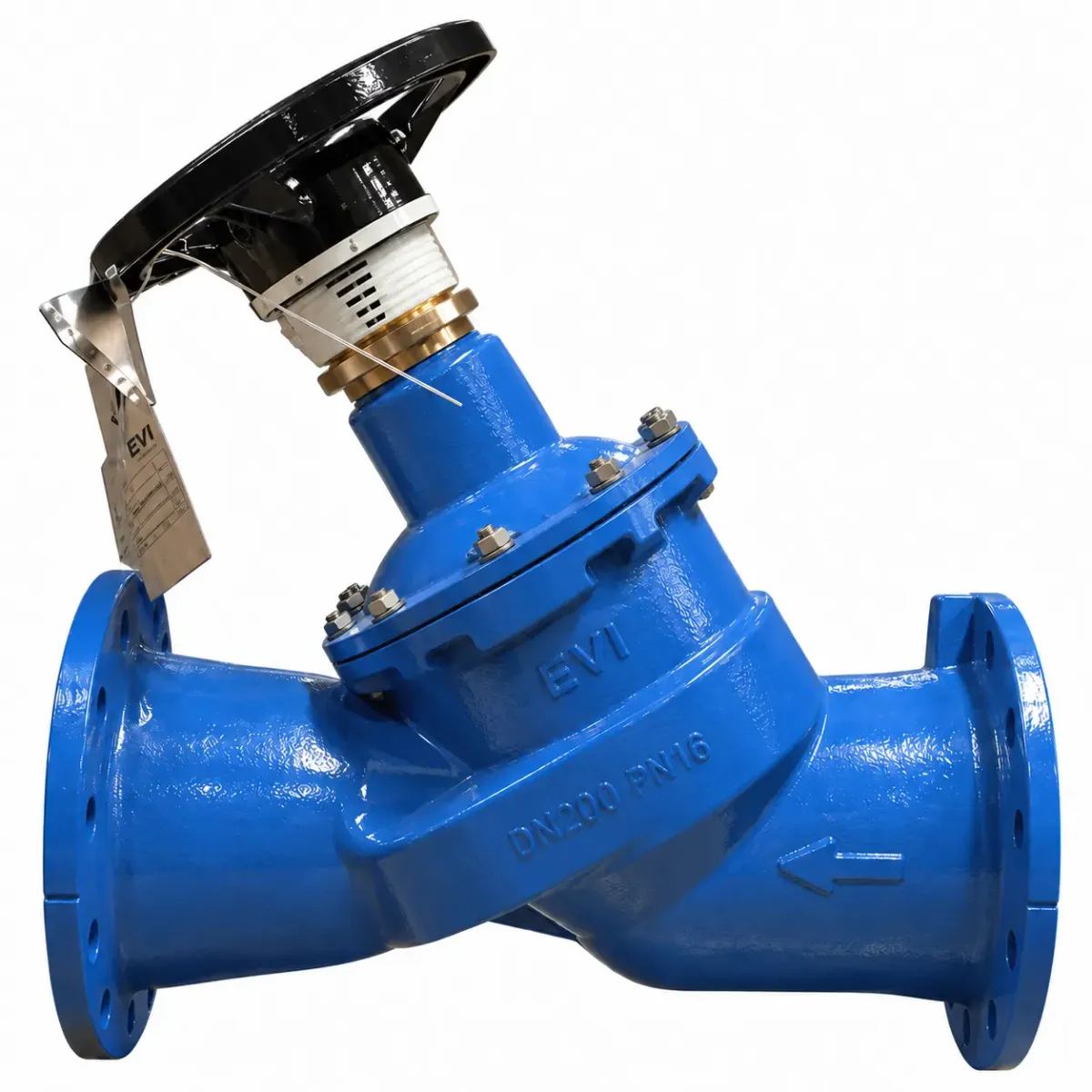
Water Pressure Reducing Valve Manufacturer in Italy Water Pressure Reducing Valves automatically reduce higher inlet pressure to a controlled downstream pressure in water distribution and industrial piping systems. The valve responds to changes in downstream demand and inlet pressure to regulate the opening and maintain the selected outlet pressure within its operating limits. Euro Valve Italia provides water pressure reducing valve configurations for industrial water networks and pressure management applications. For projects seeking a Water Pressure Reducing Valve Manufacturer in Italy, selection is based on inlet pressure, required outlet pressure, flow capacity, pipeline size and operating conditions. A pressure reducing valve adjusts its opening in response to downstream pressure. When outlet pressure rises above the selected setting, the valve moves towards the closed position. When downstream pressure decreases, the valve opens to allow additional flow. Pilot-operated designs use a pressure-sensing pilot circuit to regulate the main valve. Direct-acting designs use a spring and diaphragm or piston arrangement to control the valve opening without a separate pilot system. The appropriate construction depends on flow requirements, pressure reduction ratio and the required regulation accuracy. Water pressure reducing valves may use ductile iron, cast iron or suitable steel body constructions depending on the design and service conditions. Pilot-operated valves commonly incorporate a diaphragm-actuated main valve with an adjustable pressure reducing pilot. The pilot senses downstream pressure and controls the main valve to maintain the required setting. Pressure adjustment should remain within the manufacturer's specified control range. The selected valve must also be evaluated for cavitation, excessive pressure reduction and low-flow stability. Flanged connections are commonly used for larger water distribution valves. Threaded connections may be available for smaller direct-acting constructions. Valve sizing should consider minimum, normal and maximum flow rates, inlet pressure variation, required downstream pressure and allowable pressure loss. A suitable upstream strainer, isolation valves and pressure gauges may be included in the installation to support commissioning and maintenance.Pressure Regulation and Operating Principle
Body Construction and Pressure Adjustment
Installation and Valve Selection